Mens Hair Product Guide
Navigating the world of men’s grooming requires understanding available options․ From daily essentials to specialized treatments, selecting the right products is key for optimal hair health and style․
Understanding Hair Types
Men’s hair isn’t one-size-fits-all; recognizing your hair type is the foundation of a good routine․ Generally, hair is categorized into four main types: straight, wavy, curly, and coily․ Straight hair tends to be oily, needing frequent washing, while wavy hair offers a balance, benefiting from lightweight products․
Curly hair is prone to dryness and requires significant hydration, and coily hair, the most fragile, demands gentle handling and rich moisturizers․ Beyond these, consider porosity – how well your hair absorbs moisture․ Low porosity hair resists absorption, needing heat to open the cuticle, while high porosity hair readily absorbs but loses moisture quickly․
Understanding these nuances allows for targeted product selection, maximizing effectiveness and promoting healthy, manageable hair․ Ignoring your hair type can lead to product buildup, dryness, or limpness․
Determining Your Hair Texture
Hair texture refers to the width of a single strand, influencing how products behave and the styles achievable․ It’s categorized into fine, medium, and coarse․ Fine hair is delicate, easily damaged, and often lacks volume, requiring lightweight formulas to avoid weighing it down․
Medium hair is the most common, offering a good balance of strength and flexibility, and generally responding well to various products․ Coarse hair is thick and strong, often resistant to styling, and benefits from heavier, moisturizing products to tame frizz and add definition․
A simple test involves holding a single strand between your fingers; if it’s difficult to feel, it’s fine․ If you can feel it, but it’s not substantial, it’s medium․ If it feels thick and robust, it’s coarse․ Knowing your texture guides product choices, ensuring optimal results and hair health․
Identifying Your Hair Density

Hair density describes the number of strands per square inch on your scalp, impacting fullness and volume․ It’s categorized as low, medium, or high․ Low density means fewer strands, often resulting in a thinner appearance and requiring products that add volume without weighing hair down․
Medium density is the most prevalent, offering a balanced look and generally responding well to a wide range of styling products․ High density indicates a large number of strands, creating a fuller, thicker appearance, and potentially requiring stronger-hold products to maintain style․
To assess density, part your hair and observe the scalp․ If you can easily see a lot of scalp, it’s low․ If the scalp is partially visible, it’s medium․ If it’s difficult to see the scalp, it’s high․ Understanding density helps select products that complement your hair’s natural fullness․
Common Hair Concerns for Men
Men frequently encounter specific hair challenges requiring targeted solutions․ These include dry scalp and dandruff, often caused by harsh shampoos or skin conditions, leading to flakiness and irritation; Oily hair, stemming from overactive sebaceous glands, results in a greasy appearance and necessitates frequent washing with clarifying shampoos․
Thinning hair and hair loss are prevalent concerns, influenced by genetics, age, and lifestyle factors․ Addressing these requires stimulating scalp health and potentially utilizing products designed to promote hair growth․ Many men also struggle with frizz, particularly those with curly or wavy hair, needing smoothing products and hydration․
Understanding these common concerns is the first step towards building an effective hair care regimen tailored to individual needs, ensuring healthy and manageable hair․
Dry Scalp and Dandruff Solutions
Combating dry scalp and dandruff requires a gentle yet effective approach․ Begin by switching to a sulfate-free shampoo, as sulfates can strip the scalp of its natural oils, exacerbating dryness․ Incorporate a hydrating shampoo containing ingredients like aloe vera or glycerin to replenish moisture․
For persistent dandruff, consider shampoos with active ingredients like pyrithione zinc or selenium sulfide, which target the Malassezia fungus often responsible for flaking․ Scalp treatments containing salicylic acid can also help remove dead skin cells․
Avoid harsh scrubbing and hot water, which can further irritate the scalp․ Regular conditioning is crucial, even for oily hair, to maintain scalp hydration․ If symptoms persist, consulting a dermatologist is recommended to rule out underlying skin conditions․

Oily Hair Management
Managing oily hair involves balancing cleansing with maintaining scalp health․ Frequent washing is often necessary, but avoid over-washing, which can trigger increased oil production․ Opt for a clarifying shampoo once or twice a week to remove excess sebum and buildup․
Look for shampoos containing ingredients like tea tree oil or citrus extracts, known for their oil-absorbing properties․ When conditioning, focus on the ends of the hair, avoiding the scalp to prevent greasiness․ Lightweight conditioners are preferable to heavy, creamy formulas․
Styling products should be used sparingly, and avoid those with high oil content․ Dry shampoos can be a lifesaver between washes, absorbing oil and adding volume․ A balanced diet and adequate hydration also contribute to scalp health and oil regulation․
Thinning Hair and Hair Loss
Addressing thinning hair and hair loss requires a multifaceted approach․ While genetics play a significant role, several products can help support hair health and minimize further loss․ Look for shampoos containing ingredients like biotin, ketoconazole, or saw palmetto, which may stimulate hair growth and block DHT, a hormone linked to hair loss․
Consider using a scalp treatment with minoxidil, a clinically proven ingredient to promote hair regrowth․ Lightweight conditioners can add volume without weighing hair down․ Avoid harsh styling products and excessive heat, which can damage hair and exacerbate thinning․
A healthy diet rich in protein, vitamins, and minerals is crucial for hair health․ Consulting a dermatologist is recommended to determine the underlying cause of hair loss and explore personalized treatment options․
Essential Hair Products for Men
A solid hair care routine begins with foundational products․ Shampoos, conditioners, and styling aids form the core, catering to diverse hair needs and desired looks․
Shampoos: Cleansing and Scalp Health
Shampoo is the cornerstone of any hair care regimen, primarily focused on cleansing the scalp and hair of dirt, oil, and product buildup․ However, not all shampoos are created equal, and selecting the right one is crucial for maintaining optimal hair health․ Men, often shampooing daily or more frequently than women, need to be particularly mindful of their choices․
Different formulations cater to specific needs․ Sulfate-free shampoos are gaining popularity, as sulfates can be harsh and stripping, potentially leading to dryness and irritation․ These gentler options are ideal for sensitive scalps or color-treated hair․ Conversely, volumizing shampoos contain ingredients designed to lift the hair at the root, adding body and thickness – beneficial for those with fine or thinning hair․
Shampoos for color-treated hair are formulated to protect and prolong color vibrancy, preventing fading and maintaining hair’s integrity․ Ultimately, choosing a shampoo that addresses your specific hair type and concerns is paramount for a healthy scalp and manageable hair․
Sulfate-Free Shampoos
Sulfate-free shampoos have emerged as a preferred choice for many men seeking a gentler cleansing experience․ Traditional shampoos often contain sulfates – like Sodium Lauryl Sulfate (SLS) and Sodium Laureth Sulfate (SLES) – which are effective detergents but can be harsh, stripping the hair and scalp of their natural oils․ This can lead to dryness, irritation, and even color fading․
Sulfate-free alternatives utilize milder cleansing agents derived from natural sources, offering a less aggressive wash․ They are particularly beneficial for individuals with sensitive scalps, eczema, or those prone to dryness․ Furthermore, they are excellent for maintaining the vibrancy of color-treated hair, preventing premature fading․
While they may not produce the same voluminous lather as sulfate-based shampoos, sulfate-free options effectively cleanse the hair without compromising its health․ They help preserve the scalp’s natural moisture balance, promoting healthier, more manageable hair over time․
Volumizing Shampoos
For men with fine or thin hair, volumizing shampoos can be a game-changer․ These formulations are specifically designed to add body and thickness, creating the appearance of fuller hair․ They achieve this through several mechanisms, often incorporating lightweight polymers that coat the hair shaft, lifting it away from the scalp․
Ingredients like biotin, panthenol (vitamin B5), and wheat proteins are commonly found in volumizing shampoos, contributing to hair strength and resilience․ These components help to plump the hair shaft, increasing its diameter and overall volume․ It’s important to note that volumizing shampoos are most effective when paired with other volumizing styling products․
However, avoid shampoos containing heavy oils or silicones, as these can weigh the hair down, counteracting the desired volumizing effect․ Look for “lightweight” or “volumizing” clearly stated on the label, and consider alternating with a clarifying shampoo to prevent buildup․
Shampoos for Color-Treated Hair
Men who color their hair – whether to cover grays or experiment with a new look – require specialized shampoo formulations․ Regular shampoos can strip away color molecules, leading to fading and a dull appearance; Shampoos for color-treated hair are formulated to be gentler, preserving the vibrancy and longevity of the color․
These shampoos typically lack harsh sulfates, which are known for their strong cleansing action but can also be damaging to colored hair․ Instead, they utilize milder surfactants that effectively cleanse without stripping the hair of its essential oils and color pigments․ Look for ingredients like antioxidants and UV filters, which help protect against environmental damage and color fade․
It’s crucial to use a color-safe shampoo every time you wash your hair to maintain the color’s integrity․ Consider also using a color-depositing conditioner to refresh the color between salon visits․
Conditioners: Hydration and Manageability
Conditioners are a vital step in any men’s hair care routine, often overlooked but crucial for maintaining healthy, manageable hair․ Shampoos open the hair cuticle to cleanse, but this process can leave hair dry and prone to damage․ Conditioners work by closing the cuticle, sealing in moisture and smoothing the hair shaft․
This results in hair that is softer, shinier, and less prone to tangling and breakage․ Different hair types benefit from different types of conditioners․ For example, those with fine hair may prefer lightweight formulas that won’t weigh their hair down, while those with thick or coarse hair may need richer, more hydrating options․
Regular conditioning is especially important for men who frequently style their hair with heat tools or chemical treatments, as these can further deplete moisture․ In fact, conditioners are especially crucial for men․
Leave-In Conditioners
Leave-in conditioners offer continuous hydration and protection throughout the day, making them an excellent addition to a man’s hair care arsenal․ Unlike traditional rinse-out conditioners, leave-ins are applied to damp hair and remain in until the next wash․ They provide ongoing detangling benefits, reduce frizz, and shield hair from environmental stressors like sun and pollution․
These are particularly beneficial for men with dry, damaged, or coarse hair, or those who frequently expose their hair to heat styling․ Look for formulas containing ingredients like argan oil, shea butter, or hyaluronic acid for intense moisture․ Lightweight leave-ins are available for finer hair types to avoid weighing the hair down․
Application is simple: spray or work a small amount through damp hair, focusing on the mid-lengths and ends․ They can also be used to refresh curls or tame flyaways between washes, offering versatile styling benefits․
Deep Conditioning Treatments
Deep conditioning treatments are intensive repair solutions for damaged or extremely dry hair, providing a concentrated dose of moisture and nutrients․ These treatments penetrate the hair shaft more deeply than regular conditioners, rebuilding and strengthening from within․ Men experiencing dryness, breakage, or dullness will find these particularly beneficial․
Look for formulas rich in proteins, amino acids, and natural oils like coconut oil or avocado oil․ These ingredients help to repair the hair cuticle, improve elasticity, and restore shine․ Deep conditioning treatments are typically applied after shampooing, left on for 10-30 minutes (often with heat for enhanced penetration), and then rinsed thoroughly․
Frequency varies depending on hair condition; weekly treatments are ideal for severely damaged hair, while bi-weekly or monthly treatments can maintain healthy hair․ They are a crucial step in restoring vitality and manageability․
Styling Products: Achieving Your Desired Look
Styling products empower men to sculpt, define, and maintain their preferred hairstyles․ The vast array of options – gels, waxes, pomades, clays, and creams – cater to diverse hair types and desired finishes․ Understanding each product’s characteristics is crucial for achieving the intended result․
Consider your hair length, texture, and the level of hold and shine you prefer․ For a strong, defined hold, gels are excellent․ Waxes offer flexibility and texture, while pomades provide classic shine and control․ Hair clay delivers a matte finish and volume, and creams offer lightweight hydration and style․
Experimentation is key! Start with a small amount of product and gradually add more as needed․ Proper application and technique will maximize effectiveness and prevent buildup․ Ultimately, the right styling product enhances your natural hair and reflects your personal style․
Hair Gels: Strong Hold and Definition
Hair gels are renowned for providing a robust hold and well-defined hairstyles․ Typically water-based, gels offer a firm structure, making them ideal for sculpted looks, spikes, or slicked-back styles․ They are particularly effective for thicker or coarser hair that requires significant control․
Gels come in varying degrees of hold – light, medium, and strong – allowing customization based on hair type and desired style․ While offering excellent hold, some gels can create a slightly crunchy or stiff texture․ Modern formulations often incorporate conditioning agents to mitigate this effect․
Application is straightforward: distribute a small amount evenly through damp hair and style as desired․ Be mindful of product buildup, as excessive use can weigh hair down․ Gels are a reliable choice for maintaining style throughout the day, even in challenging conditions․
Hair Waxes: Flexible Hold and Texture
Hair waxes deliver a pliable hold and a textured finish, offering a more natural look compared to gels․ These products typically contain beeswax or other natural waxes, providing a creamy consistency that allows for easy manipulation and restyling throughout the day․ Waxes are excellent for creating tousled, messy, or piecey hairstyles․
Unlike gels, waxes don’t usually create a hard, crunchy feel․ Instead, they offer a flexible hold that maintains shape without stiffness․ This makes them suitable for a wider range of hair lengths and types, particularly those seeking a relaxed, effortless style․
Application involves warming a small amount between your palms and working it through dry or slightly damp hair․ Waxes are great for adding definition and separation, and can be easily reworked for a customized look․ They are ideal for achieving a modern, textured aesthetic․
Hair Pomades: Classic Shine and Control
Hair pomades are renowned for their ability to deliver a high-shine finish and strong hold, embodying a timeless grooming aesthetic․ Traditionally oil-based, modern pomades also come in water-based formulas, offering varying degrees of hold and washability․ They are a staple for classic hairstyles like slick backs, side parts, and pompadours․
Pomades provide excellent control, allowing for precise styling and maintaining shape throughout the day․ Oil-based pomades offer a superior shine and hold but can be more difficult to remove, while water-based options are easier to wash out․
Application involves working a small amount through the hair, distributing it evenly for a polished look․ Pomades are ideal for those seeking a refined, sophisticated style with a noticeable sheen․ They are a versatile choice for both formal and casual occasions․

Hair Clay: Matte Finish and Volume
Hair clay offers a unique styling experience, prioritizing texture, volume, and a completely matte finish․ Unlike pomades or gels, clay doesn’t produce any shine, creating a natural, understated look․ Its pliable texture allows for reworkability, making it easy to adjust your style throughout the day․
The key ingredient in hair clay is, as the name suggests, clay-like substances – often bentonite or kaolin – which provide a strong, yet flexible hold․ This makes it perfect for creating textured crops, messy quiffs, and voluminous styles․
Application is simple: rub a small amount between your palms and work it through dry hair․ Clay is particularly effective for finer hair types, adding thickness and body․ It’s a go-to for a modern, effortlessly cool aesthetic, offering a strong hold without the slick appearance․
Hair Creams: Lightweight Hydration and Style
Hair creams represent a versatile styling option, blending hydration with a light to medium hold․ They’re ideal for those seeking a natural, healthy-looking style without stiffness or excessive shine․ Unlike heavier products like gels or waxes, creams nourish the hair while providing subtle control․
Formulated with moisturizing ingredients, hair creams help combat dryness and frizz, leaving hair soft and manageable․ They’re particularly beneficial for normal to slightly dry hair types, adding a touch of definition and enhancing natural texture․
Application involves working a small amount through damp or dry hair, focusing on the mid-lengths and ends․ Creams are excellent for creating relaxed waves, tousled looks, and subtly styled quiffs․ They offer a low-maintenance approach to grooming, delivering a polished finish with minimal effort․
Advanced Hair Care Products
Elevate your routine with specialized treatments․ Hair oils, scalp therapies, and intensive masks address unique needs, promoting optimal health and a vibrant, strong appearance․
Hair Oils: Nourishment and Shine
Hair oils represent a fantastic addition to any man’s grooming regimen, offering a wealth of benefits beyond simple aesthetics․ These potent elixirs deliver essential nourishment, restoring moisture and vitality to both hair and scalp․ Argan oil, jojoba oil, and coconut oil are popular choices, each possessing unique properties․
Argan oil, often called “liquid gold,” is rich in Vitamin E and fatty acids, promoting shine and reducing frizz․ Jojoba oil closely mimics the scalp’s natural sebum, balancing oil production and preventing dryness․ Coconut oil penetrates the hair shaft, strengthening it from within and minimizing protein loss․
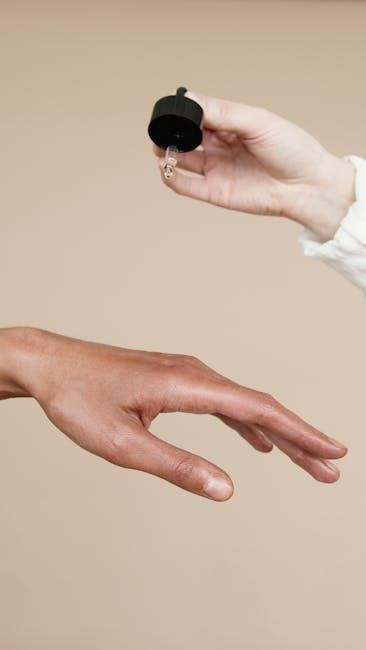
Applying a small amount of oil to the ends of hair can tame flyaways and add a healthy sheen․ Massaging oil into the scalp stimulates blood flow, potentially encouraging hair growth․ Consider incorporating hair oil into your routine 1-2 times per week for noticeable improvements in texture and overall hair health․
Scalp Treatments: Addressing Specific Concerns
A healthy scalp is the foundation of healthy hair, and targeted treatments can address a variety of concerns men commonly face․ From dryness and flakiness to oiliness and irritation, specialized scalp treatments offer effective solutions․ Identifying your specific needs is the first step towards a revitalized scalp․
For dry scalp, look for treatments containing hydrating ingredients like hyaluronic acid or aloe vera․ Exfoliating scalp scrubs, utilizing ingredients like salicylic acid, can remove dead skin cells and unclog follicles, beneficial for dandruff or buildup․ Oily scalps benefit from clarifying treatments that balance sebum production․

Consider incorporating a scalp massage into your routine to stimulate circulation and promote healthy growth; Regularly addressing scalp concerns not only improves hair health but also enhances overall comfort and confidence․ Consistent use of appropriate treatments yields the best results․
Hair Masks: Intensive Repair and Conditioning
Hair masks deliver a concentrated dose of nutrients, offering intensive repair and deep conditioning benefits beyond regular conditioners․ Designed for periodic use, they target specific hair concerns, restoring vitality and improving overall hair health․ Men with damaged, dry, or chemically treated hair will find these particularly beneficial․
Look for masks formulated with ingredients like argan oil, shea butter, or keratin to replenish moisture and strengthen strands․ Protein-rich masks help repair damage, while hydrating masks restore elasticity and shine․ Masks can address issues like frizz, breakage, and dullness․
Application typically involves applying the mask to clean, damp hair, leaving it on for a specified time (usually 10-30 minutes) before rinsing thoroughly․ Incorporating a hair mask into your routine once or twice a week can dramatically improve hair texture and appearance, leaving it noticeably softer and healthier․
Choosing the Right Products for Your Hair
Selecting products requires careful consideration of ingredients and labels․ Adapting your routine to seasonal changes ensures optimal hair health and addresses evolving needs effectively․
Reading Product Labels
Deciphering product labels is crucial for informed choices․ Begin by identifying the key ingredients; understanding what you’re applying to your hair is paramount․ Look beyond marketing claims and focus on the ingredient list itself․ Pay attention to the order – ingredients are typically listed in descending order of concentration․
Be aware of potentially harmful sulfates, parabens, and silicones, especially if you have sensitive skin or specific hair concerns․ Seek out labels that clearly state the product’s purpose and intended hair type․ Note any warnings or cautions regarding allergies or usage․
Don’t hesitate to research unfamiliar ingredients online․ Many resources detail the benefits and potential drawbacks of various compounds․ A little label literacy empowers you to select products that genuinely support your hair’s health and style goals, avoiding those that might cause irritation or damage․
Considering Ingredients
Ingredient selection profoundly impacts hair health․ Prioritize products with natural oils like argan, jojoba, or coconut oil for nourishment and shine․ Look for hydrating ingredients such as aloe vera and glycerin, particularly if you struggle with dryness․ Proteins like keratin can strengthen and repair damaged hair․
Conversely, be mindful of potentially harsh chemicals․ Sulfates, while effective cleansers, can strip hair of natural oils, leading to dryness․ Parabens are preservatives linked to hormone disruption, and silicones can create buildup, hindering moisture absorption․
Consider your scalp health too․ Ingredients like salicylic acid or tea tree oil can address dandruff or oily scalps․ Always patch-test new products to check for allergic reactions․ A mindful approach to ingredients ensures you’re providing your hair with the nutrients it needs, while avoiding potentially harmful substances․
Adapting to Seasonal Changes
Hair needs shift with the weather, demanding product adjustments․ Summer’s humidity often calls for lighter products – think creams over heavy waxes – to avoid a weighed-down look․ Increased sun exposure necessitates UV protection; look for products with added UV filters or wear a hat․
Conversely, winter’s dryness requires richer, more hydrating formulas․ Deep conditioning treatments become essential, and switching to a sulfate-free shampoo can prevent further stripping of moisture․ Consider incorporating a hair oil to combat dryness and static․
Pay attention to your scalp as well․ Cold, dry air can exacerbate dandruff, so a targeted scalp treatment might be beneficial․ Adjusting your routine seasonally ensures your hair remains healthy, manageable, and looks its best year-round․