Meat Slicing Guide: A Comprehensive Overview (12/24/2025 07:58:17)
Butchery, an ancient skill, empowers home cooks to craft delicious meals; understanding techniques and meat cuts elevates culinary abilities and appreciation for food.
This guide explores basic home butchering techniques, including tying and butterflying primal cuts, trimming fat, and cubing meat for stews, enhancing your cooking.
How slicing impacts aesthetics and culinary experience is crucial; this article delves into methods, tools, and tips to master this critical kitchen skill effectively.
Knowing how to cut meat correctly—whether grilling, roasting, or slow-cooking—elevates dishes and enhances dining; we’ll explore cuts, art of slicing, and techniques.
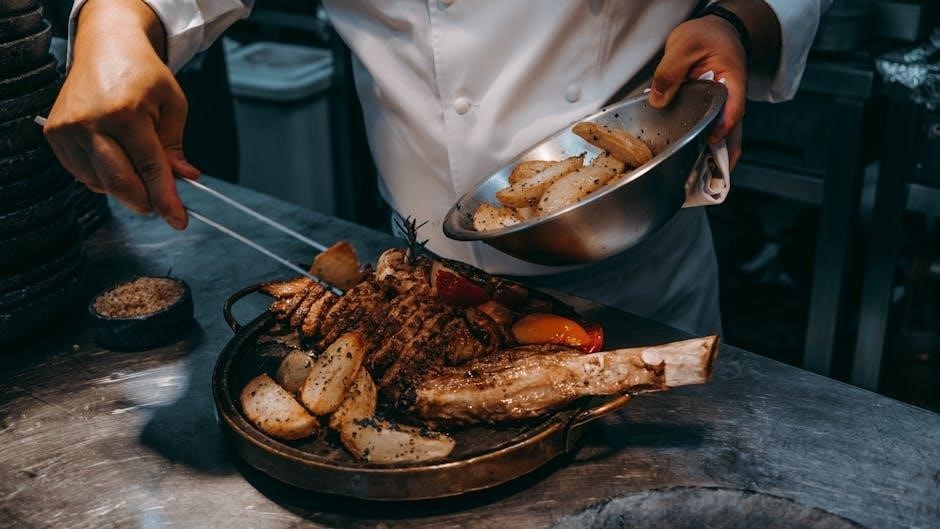
Learning to slice meat ensures shape and appetizing presentation; chilling or partially freezing meat simplifies the cutting process, yielding beautiful, even slices.
Mastering meat-cutting techniques is achievable for all skill levels; this guide teaches simple, effective methods to cut meat like a professional chef.
Meat slicing, a fundamental culinary skill, transcends mere preparation; it’s an art form impacting texture, flavor, and the overall dining experience. Whether a seasoned chef or a home cook, mastering this technique unlocks a world of possibilities in the kitchen. This guide serves as a comprehensive introduction, demystifying the process and equipping you with the knowledge to confidently tackle any cut of meat.
From perfectly tender steaks to delicate roasts, the way meat is sliced significantly influences its tenderness and how it interacts with sauces and seasonings. Understanding the principles of slicing, including grain direction and appropriate tools, is paramount. We’ll explore how proper slicing enhances both the aesthetic appeal and the culinary outcome of your dishes.
This introduction will lay the groundwork for more advanced techniques, providing a solid foundation for achieving professional-quality results. Prepare to elevate your cooking and impress your guests with beautifully sliced meat, consistently delivering exceptional flavor and texture.
Why Proper Slicing Matters
Proper meat slicing isn’t simply about presentation; it fundamentally alters the eating experience. Slicing with the grain results in chewier, longer strands, ideal for braising or stews where prolonged cooking is desired. Conversely, slicing against the grain shortens the muscle fibers, creating remarkably tender, easier-to-chew pieces – crucial for steaks and stir-fries.
Ignoring the grain leads to tough, unpleasant textures, diminishing the quality of even the finest cuts. Uniform slices ensure even cooking and consistent flavor distribution, vital for dishes requiring precise heat application. Furthermore, aesthetically pleasing slices elevate the visual appeal of your meals, enhancing the overall dining experience.
Mastering this skill demonstrates respect for the meat and the effort involved in its preparation. It transforms a simple meal into a culinary delight, showcasing your attention to detail and commitment to quality. Ultimately, proper slicing unlocks the full potential of every cut.
Understanding Meat Grain
Meat grain refers to the direction of the muscle fibers within a cut of meat. Identifying it is paramount for achieving optimal tenderness when slicing. These fibers run parallel to each other, and recognizing their orientation dictates whether to slice with or against them. Visual cues, like subtle lines or ridges, often reveal the grain’s direction.
Generally, a longer, more pronounced grain indicates a tougher cut requiring slicing against the grain. Conversely, finer grains are found in more tender cuts. However, grain direction can change within a single piece of meat, demanding careful observation. Palpating the meat with your fingers can also help discern the fiber alignment.
Understanding grain isn’t intuitive; practice is key. Observing how the meat separates as you slice provides valuable feedback. Mastering this skill unlocks the ability to consistently produce tender, flavorful results, transforming your meat preparation.
Essential Tools for Meat Slicing
Proper tools are vital for successful meat slicing; from specialized knives to electric slicers, selecting the right equipment ensures precision and efficiency in the kitchen.
Types of Knives for Meat Slicing
Selecting the right knife is paramount for achieving clean, precise slices. Several types excel in this area, each offering unique advantages. Chef’s knives, with their curved blades, provide versatility for various cuts, though they may require more skill for consistent thickness. Boning knives, narrower and more flexible, are ideal for separating meat from bone, but less suited for long, even slices.
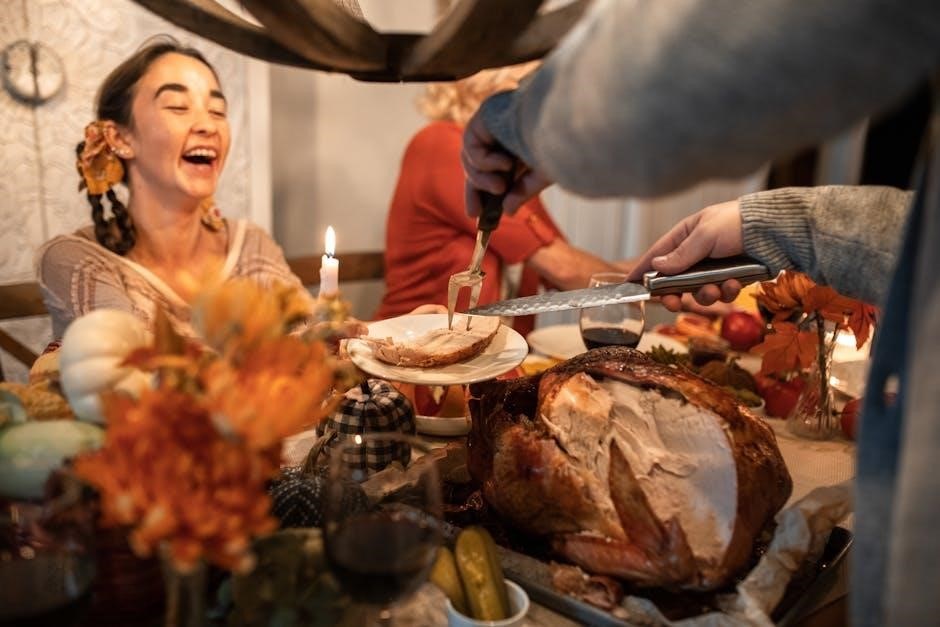
Slicing knives, characterized by their long, thin blades and often grantons (hollow indentations), are specifically designed for creating uniform slices, minimizing drag and sticking. Carving knives, similar to slicing knives but often with a pointed tip, are excellent for roasts and poultry. A cleaver, while not for delicate slicing, is invaluable for breaking down larger cuts and trimming fat. Ultimately, the best knife depends on the type of meat and the desired outcome, but a sharp, well-maintained blade is always essential.
Electric Meat Slicers: Pros and Cons
Electric meat slicers offer convenience and consistency, particularly for frequent slicing or large quantities. Pros include effortless operation, uniform slice thickness achieved with adjustable settings, and reduced physical strain compared to manual slicing. They are ideal for deli-style meats, roasts, and even bread. However, they also present cons.
Electric slicers can be expensive, requiring a significant initial investment. They necessitate cleaning and maintenance, with multiple parts needing disassembly and washing. Blade sharpening can be more complex than with traditional knives. Furthermore, they occupy considerable counter space and may lack the finesse for delicate cuts. While efficient, they don’t replace the skill and control offered by a skilled chef with a quality knife. Consider your slicing frequency and needs when deciding.
Sharpening and Maintaining Your Slicing Tools
Maintaining sharp slicing tools is paramount for safety, efficiency, and achieving clean cuts. A dull blade requires more force, increasing the risk of slips and accidents. Regular sharpening restores the blade’s edge, ensuring effortless slicing and preserving meat quality. Sharpening methods include using a whetstone, honing steel, or professional sharpening services.
Honing steels realign the blade’s edge between sharpenings, extending its sharpness. Proper cleaning after each use is crucial; hand washing with mild soap and drying thoroughly prevents rust and corrosion. Store knives safely, using a block or magnetic strip to protect the blades. For electric slicers, follow manufacturer’s instructions for blade removal, cleaning, and oiling. Consistent care prolongs the life of your tools and ensures optimal performance.
Basic Meat Slicing Techniques
Slicing involves mastering techniques like cutting with or against the grain, and utilizing the butterfly method, all crucial for tender, flavorful results.
Slicing with the Grain
Slicing with the grain refers to cutting parallel to the direction the muscle fibers run within the meat. This technique is generally preferred when you desire more tender slices, particularly for tougher cuts. When you cut along the grain, you’re essentially shortening those muscle fibers, making them easier to chew and digest.
However, it’s important to note that while tender, slices cut with the grain can sometimes appear slightly stringy. This is because the long muscle fibers remain intact. This method is excellent for roasts intended for slow cooking or braising, where the long cooking time will further break down the fibers. Identifying the grain’s direction is the first step; look closely at the meat’s surface to discern the lines formed by the muscle fibers. Consistent, even strokes are key to achieving uniform slices when working with the grain.
Slicing Against the Grain
Slicing against the grain means cutting perpendicular to the direction of the muscle fibers. This technique is crucial for maximizing tenderness, especially in cuts that are naturally tougher. By shortening the muscle fibers significantly, you disrupt their length, resulting in noticeably more tender and easier-to-chew slices. This is the preferred method for steaks and cuts intended for quick cooking methods like grilling or pan-searing.
While requiring a bit more attention to identify the grain’s direction, the reward is a superior texture. Look closely at the meat’s surface and cut across the visible lines. Achieving consistent thickness is vital when slicing against the grain, ensuring even cooking and tenderness throughout each slice. Remember, this method prioritizes tenderness over aesthetic appearance, often resulting in slightly less uniform slices.
Butterfly Cutting Technique
The butterfly cutting technique involves slicing a cut of meat almost completely in half horizontally, then opening it like a book. This creates a thinner, more even thickness, ideal for quicker cooking and consistent results. It’s particularly useful for thicker cuts like pork chops or chicken breasts, transforming them into cutlets perfect for pan-frying or grilling. This method also allows for even marinade penetration, enhancing flavor throughout the meat.
To butterfly, begin by placing the meat between two sheets of plastic wrap. Carefully slice horizontally, stopping before you cut all the way through. Open the meat gently, and if needed, pound it lightly to achieve a uniform thickness. This technique not only reduces cooking time but also expands the surface area, making it ideal for stuffing or rolling with flavorful fillings.
Slicing Different Types of Meat
Knowing how to cut meat correctly—whether grilling, roasting, or slow-cooking—elevates dishes; we’ll explore various cuts, slicing, and impactful techniques.
Slicing Beef for Various Dishes
Slicing beef demands attention to detail, as the cut and direction significantly impact tenderness and flavor. For stir-fries, thinly slice beef against the grain to maximize tenderness; aim for consistent, paper-thin pieces for quick cooking and optimal sauce absorption.
When preparing beef for stews, cube it into uniform sizes—typically 1-2 inches—ensuring even cooking and consistent texture. For roasts, carving against the grain yields more tender slices, while thicker cuts are ideal for sandwiches or serving as a main course.
Consider the specific dish when determining slice thickness. Shaving beef for Philly cheesesteaks requires extremely thin slices, while London broil benefits from slightly thicker, diagonal cuts. Proper chilling before slicing is crucial for clean cuts and prevents the meat from tearing.
Remember, understanding the grain and employing a sharp knife are paramount for achieving professional-quality beef slices.
Slicing Pork: Roasts, Chops, and Bacon
Slicing pork requires adapting techniques to the specific cut. For pork roasts, carving against the grain is essential for tenderness, yielding succulent slices perfect for serving. Aim for consistent thickness, approximately ¼ to ½ inch, for even cooking and presentation.
Pork chops benefit from a slight bias cut, slicing across the grain at an angle, which shortens the muscle fibers and enhances tenderness. Thickness should align with the cooking method—thinner for quick pan-frying, thicker for grilling or roasting.
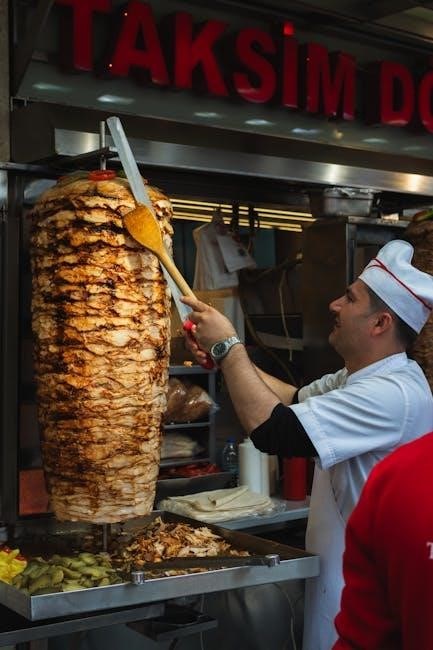
Bacon, of course, is sliced very thinly, typically using a meat slicer for uniformity. Consistent thickness ensures even crisping during cooking. When hand-slicing, chilling the pork belly beforehand is vital for clean, precise cuts.
Always prioritize a sharp knife and controlled pressure when slicing pork, ensuring safety and optimal results for any dish.
Slicing Poultry: Chicken, Turkey, and Duck
Slicing poultry – chicken, turkey, or duck – demands attention to bone structure and muscle grain. For a whole roasted chicken or turkey, begin by locating the breastbone and slicing downwards, following the contour of the breast, always against the grain.
Consistent slice thickness, around ¼ to ½ inch, is crucial for even cooking and appealing presentation. Dark meat, like thighs and legs, benefits from slicing against the grain as well, maximizing tenderness. Remember to remove the skin before slicing for a cleaner cut.
Duck, with its richer flavor and different muscle structure, requires a slightly different approach. Slicing across the grain is paramount, and the skin is often left on for added flavor and crispness.
A sharp carving knife and a stable cutting board are essential for safe and efficient poultry slicing.
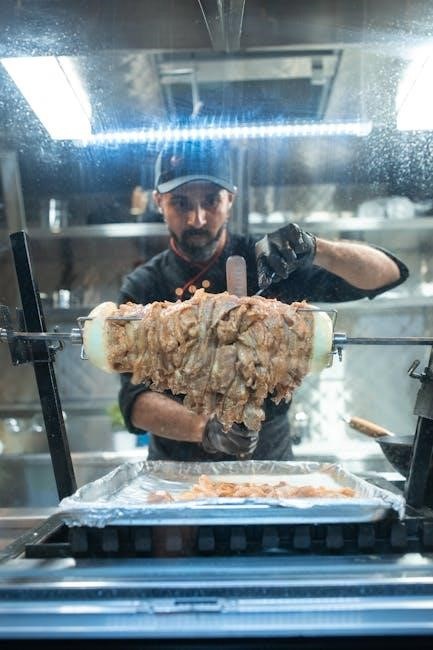
Advanced Slicing Techniques
Advanced techniques involve creating uniform slices, mastering cuts for stir-fries and stews, and perfecting carving methods for impressive roast presentations.
These skills elevate culinary creations, ensuring consistent texture and flavor distribution in every dish, enhancing the overall dining experience significantly.
Creating Uniform Slices
Achieving uniform slices is paramount for both presentation and even cooking, especially when preparing dishes like stir-fries or shish kebabs where consistent size ensures even heat distribution. The key lies in a sharp knife and a deliberate, controlled motion.
Begin by establishing a consistent angle with your knife, maintaining it throughout each slice. Avoid sawing motions; instead, use a smooth, gliding cut. A slightly chilled, but not frozen, piece of meat will yield cleaner slices.
Practice makes perfect! Start with larger cuts and gradually refine your technique. Consider using a guide, like the side of your hand, for initial consistency. For roasts, rotating the meat slightly after each slice can help maintain uniformity. Remember, consistent thickness leads to consistent results in the kitchen, elevating your culinary creations.
Don’t rush the process; precision is more important than speed when aiming for perfectly uniform slices;
Slicing for Stir-Fries and Stews
Preparing meat for stir-fries and stews demands specific slicing techniques to optimize texture and cooking time. For stir-fries, aim for thin, uniform slices – approximately 1/8 to 1/4 inch thick – cut against the grain. This ensures tenderness, as it shortens the muscle fibers.
Stew meat benefits from slightly larger, bite-sized cubes, typically around 1 inch. Cutting against the grain remains crucial, but the focus shifts to creating pieces that won’t fall apart during prolonged simmering.
Marinating either cut before cooking enhances flavor and further tenderizes the meat. Remember that consistent sizing is vital; uniform pieces cook evenly, preventing some from becoming overcooked while others remain underdone. A sharp knife is essential for clean cuts and prevents shredding.
Proper slicing significantly impacts the final dish’s quality and enjoyment.
Carving Techniques for Roasts
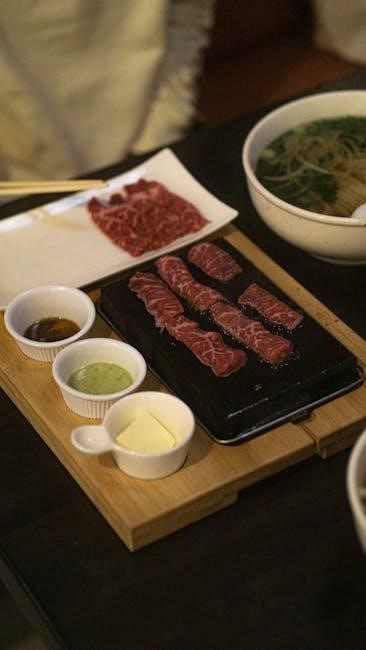
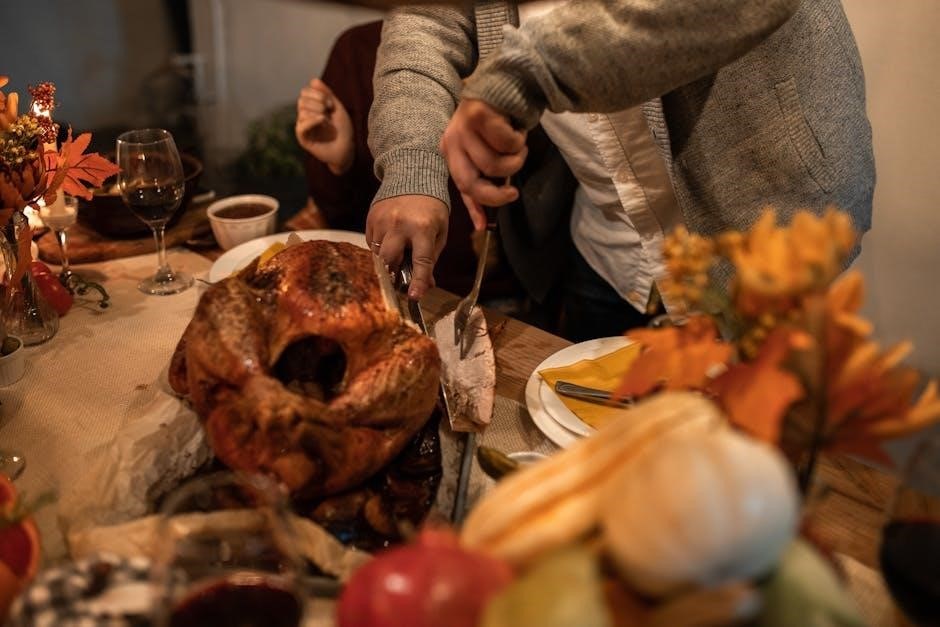
Carving a roast properly elevates the dining experience, presenting an appealing and easily enjoyed meal. Begin by identifying the grain – the direction the muscle fibers run. Always slice against the grain for maximum tenderness, shortening those fibers with each cut.
For larger roasts, start by separating a section for slicing, then work with manageable portions. Use a long, sharp carving knife and a carving fork to stabilize the roast. Aim for consistent slice thickness, typically around ¼ to ½ inch, ensuring even portions.
Angle your knife slightly to follow the contours of the bone, minimizing waste. Present the carved meat attractively on a platter, and consider offering a flavorful sauce or gravy to complement the roast.
Mastering these techniques transforms a simple roast into a culinary centerpiece.
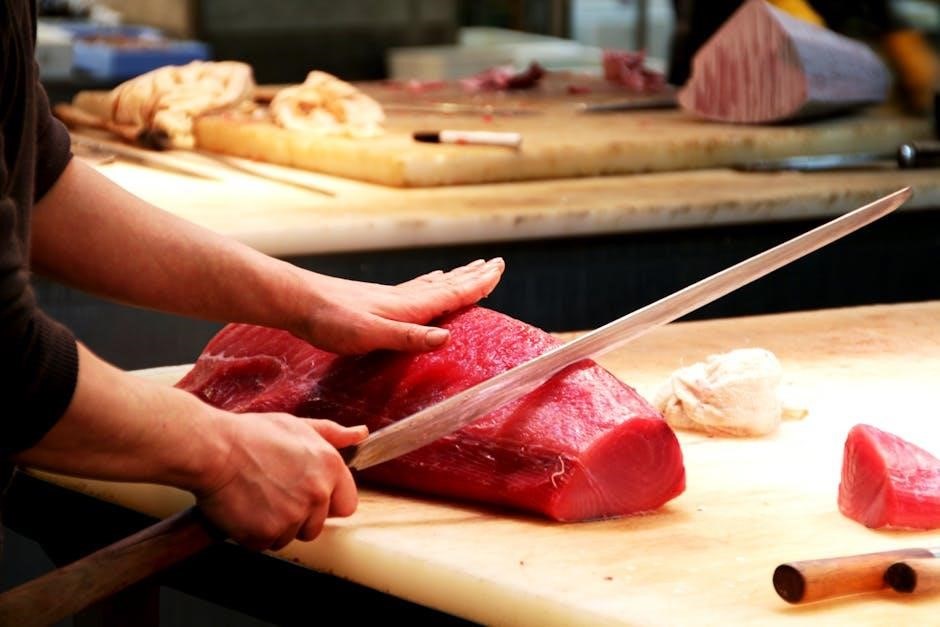
Tips for Easier and Safer Meat Slicing
Chilling meat before slicing ensures firm texture, while safe handling practices prevent cross-contamination; proper grip and knife control guarantee precision and safety.
Chilling the Meat Before Slicing
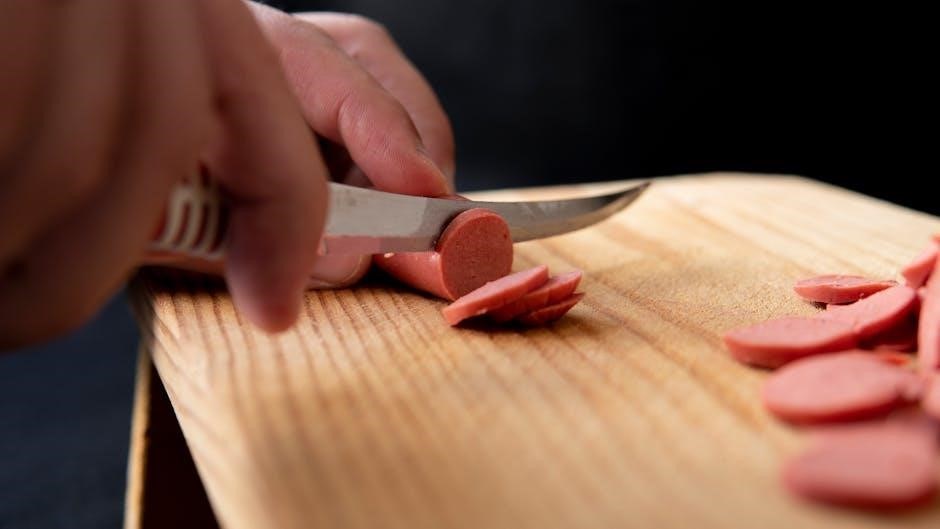
Chilling the meat is arguably the most crucial step for achieving clean, precise slices, and significantly enhances safety during the process. When meat is cold, the fat solidifies, providing resistance that prevents the knife from slipping and sliding, leading to more controlled cuts. This firmness also helps the meat hold its shape, resulting in uniform slices that cook more evenly.
Ideally, you should chill the meat in the refrigerator for at least 30 minutes, or even partially freeze it for 15-20 minutes before slicing. Partially frozen meat is exceptionally easy to work with, offering a texture similar to firm butter. Remember, a colder temperature not only improves slicing technique but also minimizes the risk of bacterial growth, ensuring food safety. Always prioritize a chilled piece of meat for optimal results and a safer experience.
Safe Handling Practices
Safe handling practices are paramount when working with raw meat to prevent cross-contamination and foodborne illnesses. Always begin with a thoroughly cleaned and sanitized work surface, cutting board, and utensils. Use separate cutting boards for raw meat and other foods, like vegetables or cooked items, to avoid transferring harmful bacteria.
Wash your hands meticulously with soap and warm water before and after handling raw meat. Avoid touching your face or other surfaces while working. Keep raw meat refrigerated until ready to slice, and promptly return any unused portions to the refrigerator. Properly dispose of any meat scraps or packaging to prevent attracting pests. Prioritizing hygiene ensures a safe and healthy cooking experience.
Proper Grip and Knife Control
Proper grip and knife control are fundamental for safe and efficient meat slicing. Maintain a firm, yet relaxed grip on the knife handle, using your thumb and forefinger to guide the blade. Keep your remaining fingers curled inward to protect them from the blade’s edge. Employ a rocking motion, using the curve of the blade to glide through the meat, rather than applying excessive downward pressure.
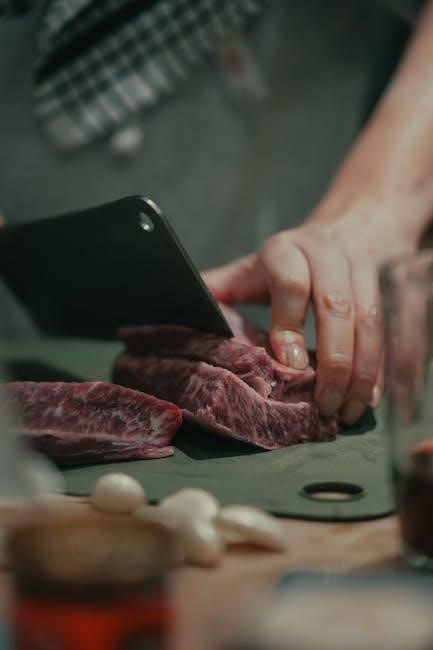
Stabilize the meat with your non-dominant hand, keeping your fingertips tucked back to avoid accidental cuts. Move the knife in smooth, controlled strokes, maintaining consistent pressure and angle. Practice makes perfect; start slowly and focus on precision before increasing speed. A secure grip and controlled movements minimize risk and maximize slicing accuracy.
Common Mistakes to Avoid When Slicing Meat
Avoid using dull knives, applying uneven pressure, or ignoring the grain; these errors compromise slice quality, safety, and the overall enjoyment of the meat.
Using a Dull Knife
Employing a dull knife is arguably the most significant error in meat slicing, creating unnecessary difficulty and potential danger. A sharp knife effortlessly glides through fibers, delivering clean, even slices, while a dull blade requires excessive force. This increased pressure elevates the risk of slipping, leading to accidental cuts and injuries.
Furthermore, a dull knife doesn’t cleanly sever the meat fibers; instead, it tears and crushes them. This results in ragged, uneven slices that lack visual appeal and negatively impact the texture of the cooked dish. The tearing action also causes meat juices to escape, diminishing moisture and flavor. Regularly sharpening your knives is paramount for safe and efficient meat slicing, ensuring a superior culinary outcome and a more enjoyable cooking experience.
Investing in a quality sharpening system and maintaining your blades is crucial for consistent, professional-looking results.
Applying Uneven Pressure
Consistent, even pressure is fundamental to achieving uniform meat slices. Fluctuations in force during slicing lead to variations in thickness, resulting in an aesthetically unappealing presentation and inconsistent cooking. Thicker slices require longer cooking times, while thinner slices may overcook and become dry. Maintaining a steady hand and applying pressure along the entire length of the blade is essential for optimal results.
Imagine attempting to slice bread with a rocking motion and varying force – the outcome would be uneven and messy. The same principle applies to meat. A smooth, controlled motion, coupled with consistent pressure, ensures each slice mirrors the previous one. This not only enhances the visual appeal of your dish but also guarantees even cooking and a more enjoyable dining experience. Practice and mindful technique are key to mastering this skill.
Ignoring the Grain of the Meat
Disregarding the meat’s grain is a common, yet critical, error in slicing. The grain refers to the direction of the muscle fibers. Slicing with the grain results in longer, easier-to-chew slices, ideal for roasts. Conversely, slicing against the grain yields shorter fibers, creating more tender, easier-to-digest pieces – perfect for stir-fries or tougher cuts.
Failing to identify and respect the grain leads to chewy, difficult-to-manage slices, diminishing the overall dining experience. Visualize the muscle fibers as tiny ropes; cutting along them keeps the ropes long, while cutting across them shortens them. Understanding this simple principle dramatically improves meat tenderness. Always take a moment to observe the grain before beginning to slice, ensuring a superior result.