
Leading guided meditation involves cultivating inner stability, peace, and strength – mirroring how individuals navigate challenges, like those highlighted during the COVID crisis.
Microsoft’s focus on AI integration demonstrates a shift towards core foundational layers, much like a meditation leader guides participants to a central grounding.
The Microsoft campus, a hub of innovation, parallels the supportive environment a leader creates, fostering exploration and unlocking new capabilities within the practice.
What is Guided Meditation?
Guided meditation is a powerful technique where a facilitator, the leader, verbally directs participants through a meditative experience. It’s more than simply instructing; it’s about creating a safe and supportive space for inner exploration, much like the stability sought in “The Mountain Meditation” by Jon Kabat-Zinn.
Unlike silent meditation, a guide uses imagery, storytelling, and prompts to focus attention, encouraging relaxation and self-awareness. This process can involve focusing on the breath, body sensations, or visualizing peaceful scenes. The leader’s voice becomes a tool, modulating pace and tone to deepen the experience.
Consider Microsoft’s approach to AI – integrating it as a core layer. Similarly, a guided meditation leader weaves elements together to create a cohesive and impactful journey. It’s about providing a framework, allowing individuals to connect with their inner selves, and navigate emotions, even difficult ones, as highlighted by observations during times of collective grief.
Benefits of Leading Guided Meditations
Leading guided meditations offers profound rewards, both for the facilitator and participants. It’s an opportunity to foster well-being, mirroring the strength individuals demonstrated during the COVID crisis when facing unprecedented grief. Like Microsoft’s shift to AI as a core platform element, leading meditation becomes a foundational skill for supporting others.
For the leader, it cultivates empathy, presence, and vocal skills. It’s a practice in holding space and witnessing the human experience. Participants benefit from reduced stress, increased self-awareness, and emotional regulation. The practice, akin to Kabat-Zinn’s “Mountain Meditation,” builds resilience.
Creating a comfortable environment, like the Microsoft campus, fosters trust and openness. Sharing this practice empowers individuals to integrate mindfulness into their daily lives, promoting a sense of calm and clarity. It’s a contribution to collective well-being, offering tools for navigating life’s challenges.

Preparing to Lead a Guided Meditation
Careful preparation, like Microsoft’s product planning, is essential; define your audience, choose a theme, and craft a script for a focused experience.
Defining Your Target Audience
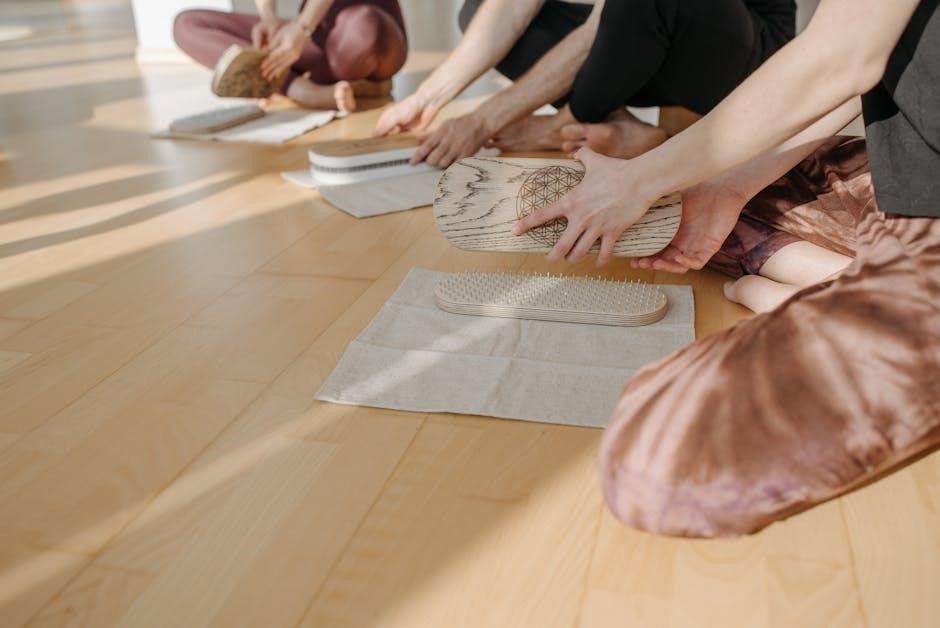
Understanding who you’re guiding is paramount, much like Microsoft tailoring products to diverse users. Are you working with beginners needing gentle grounding, or experienced meditators seeking deeper exploration? Consider age, background, and potential emotional states.
Acknowledge that, as seen during the COVID crisis, individuals possess surprising inner strength, but also varying levels of emotional resilience. A group facing grief might require a different approach than one seeking stress reduction.
Think about accessibility – will the meditation be offered in a quiet office space (like the Microsoft campus), or a more public setting? This impacts the level of detail and potential distractions to address. Knowing your audience allows you to curate a relevant and impactful experience, fostering a safe and supportive environment for their journey.
Choosing a Meditation Theme & Script
Selecting a theme anchors the meditation, similar to Microsoft focusing AI across its platforms. Consider themes like peace, gratitude, or self-compassion. The ‘Mountain Meditation’ exemplifies this, promoting stability amidst chaos – a relevant theme given recent global events.
Your script is the roadmap. Begin with a clear intention, guiding participants through imagery and sensations. Use language that is inclusive and avoids jargon. Draw inspiration from current events; acknowledging shared experiences, like navigating a crisis, can deepen connection.
Structure the script with a beginning, middle, and end, mirroring Microsoft’s product design. Include pauses for reflection, and affirmations to reinforce positive suggestions. A well-crafted script, like a thoughtfully designed Microsoft campus, provides a solid foundation for a transformative experience.
Creating a Comfortable Environment
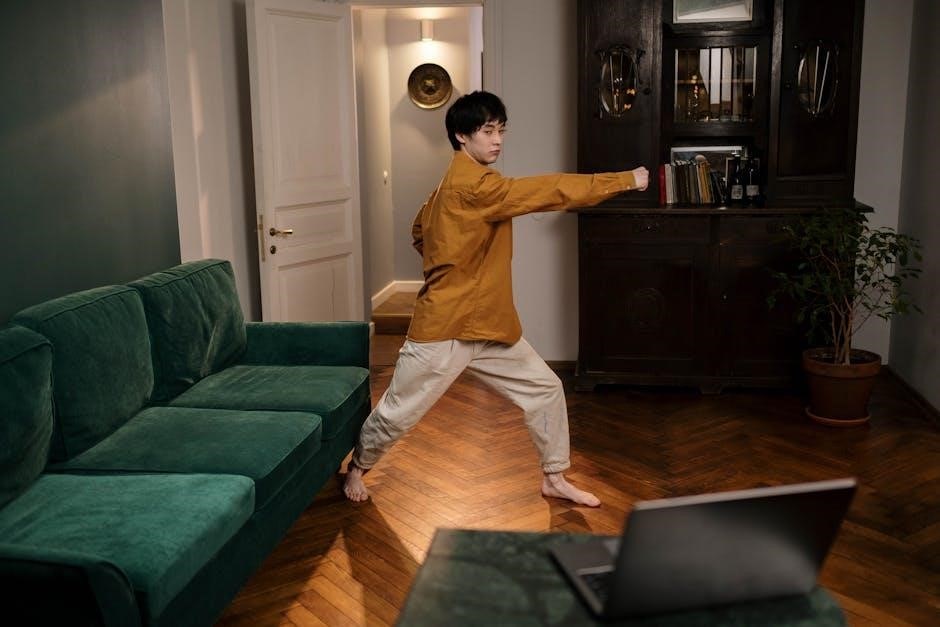
Establishing a serene space is paramount, much like Microsoft aims to simplify life through its products. Dim lighting, comfortable seating, and a quiet atmosphere are essential. Consider soft music or nature sounds, but ensure they don’t distract.
Temperature plays a role; a slightly cool room encourages relaxation. Offer blankets or cushions for added comfort, mirroring the supportive environment of the Microsoft campus. Minimize potential disruptions – silence phones and inform others of the session.
Accessibility is key. Ensure the space is inclusive for all bodies and abilities. Like WELT TV delivering constant updates, be attentive to the needs of your participants. A comfortable environment fosters openness, allowing individuals to fully engage with the meditation.

The Core Elements of a Guided Meditation
Effective guidance requires a modulated voice, sensory imagery, and strategic pauses – akin to Microsoft’s layered AI approach, creating a deeply immersive experience.
Voice Modulation and Pace
Your voice is the primary instrument in guiding others, demanding mindful control. A soothing, gentle tone fosters relaxation, while varied inflection prevents monotony. Think of WELT TV’s news delivery – clear and engaging, yet not rushed.
Pace is equally crucial. Begin slowly, allowing participants to settle. Gradually deepen the experience, but avoid overwhelming them. Like t-online’s comprehensive news coverage, present information deliberately;
Experiment with pauses; silence allows for internal reflection. Don’t fill every moment with sound. A deliberate rhythm, mirroring the steady flow of information from ZEIT, enhances the meditative state. Avoid sounding robotic; authenticity builds trust. Imagine guiding someone through the Microsoft campus – you’d offer clear, paced directions, not a frantic rush.
Using Imagery and Sensory Details
Vivid imagery is key to a compelling guided meditation. Transport participants to peaceful scenes – a serene beach, a quiet forest, or even the innovative atmosphere of the Microsoft campus. Engage all senses: the warmth of the sun, the scent of pine, the sound of waves.
Draw inspiration from sources like Jon Kabat-Zinn’s “Mountain Meditation,” which evokes stability and grounding. Describe textures, colors, and temperatures. Like Sportschau’s detailed game coverage, paint a complete picture.
Avoid overly complex descriptions; simplicity is powerful. Focus on sensations – the feeling of breath, the weight of the body. Let participants fill in the details with their own imaginations, much like exploring Azure’s capabilities. Sensory details deepen immersion and enhance the meditative experience.
Incorporating Pauses and Silence
Strategic pauses are vital in guided meditation, allowing participants to fully absorb imagery and sensations. Silence isn’t emptiness; it’s space for inner reflection, mirroring the quiet focus needed when navigating Microsoft’s complex product landscape.
Resist the urge to fill every moment with narration. Like a well-edited WELT TV news segment, brevity can be impactful. Allow time for emotions to surface, similar to acknowledging grief during challenging times, as highlighted in recent reports.
Vary pause lengths – short pauses for breath awareness, longer ones for deeper exploration. Use silence to create anticipation, like waiting for key announcements from t-online. Embrace the power of stillness; it’s where true transformation occurs.
Structuring Your Guided Meditation Session
A session’s flow, like Microsoft’s integrated platforms, should seamlessly transition from grounding to visualization, affirmations, and a gentle return to awareness.
Begin with a warm welcome, setting a tone of safety and acceptance, much like the collaborative spirit fostered by Microsoft’s platforms. Gently guide participants to find a comfortable posture – seated or lying down – encouraging them to release any obvious physical tension.
Introduce the theme of the meditation, perhaps drawing inspiration from the concept of inner stability, as found in Jon Kabat-Zinn’s ‘Mountain Meditation’. Invite participants to bring awareness to their breath, noticing the natural rhythm of inhalation and exhalation. This grounding exercise, similar to establishing a core layer in Microsoft’s AI integration, anchors them in the present moment.
Encourage a gentle awareness of the body, without judgment, acknowledging any sensations that arise. This initial phase, like navigating the Microsoft campus, prepares the mind for deeper exploration, creating a foundation for the journey ahead. Remind them that thoughts may come and go, and that’s perfectly normal.
The Body Scan Technique
Guide participants to slowly direct their attention to different parts of the body, starting with the toes and gradually moving upwards, mirroring the detailed exploration offered by Microsoft’s product range. Encourage them to simply notice sensations – warmth, coolness, tingling, or pressure – without attempting to change anything.
As you move through each body part, use gentle, descriptive language, fostering a sense of curiosity and acceptance, akin to the current news and background reports from t-online. If they encounter discomfort, invite them to breathe around the sensation, creating space and allowing it to be present without resistance.
Emphasize that the goal isn’t relaxation, but rather mindful awareness, similar to how WELT TV delivers constant updates; This practice, like navigating real-time traffic updates from Waze, cultivates a deeper connection to the physical self, fostering a sense of embodied presence and grounding.
Visualization Exercises
Invite participants to conjure a peaceful scene, perhaps a mountain vista – echoing Jon Kabat-Zinn’s “Mountain Meditation” – or a serene beach, fostering inner stability like Microsoft’s cloud platforms. Encourage them to engage all their senses: what do they see, hear, smell, taste, and touch?
Guide them to explore this imagined environment with curiosity and openness, similar to uncovering the power of Microsoft’s products. Suggest details – the warmth of the sun, the sound of waves, the scent of pine – to deepen the experience, mirroring the comprehensive range offered by the company.
Emphasize that there’s no right or wrong way to visualize, much like collaborating freely with Microsoft Word. The aim is to create a safe and nurturing inner landscape, a space for restoration and renewal, akin to the supportive environment of the Microsoft campus.
Affirmations and Positive Suggestions
Introduce gentle affirmations, aligning with the strength individuals summon during challenging times, as seen during the COVID crisis. Phrases like “I am worthy of peace,” or “I embrace inner resilience” can be powerfully grounding, much like finding stability in Jon Kabat-Zinn’s meditation.
Offer positive suggestions for self-compassion and acceptance, mirroring Microsoft’s aim to simplify life. Encourage participants to release limiting beliefs, fostering a sense of possibility, similar to unlocking new capabilities with their products.
Deliver these affirmations with a calm and reassuring tone, akin to the current news and backgrounds provided by WELT TV. Remind them that these are seeds of intention, planted in the fertile ground of their awareness, and will blossom in their own time, like innovation at the Microsoft campus.

Addressing Common Challenges
Navigating distractions requires gentle redirection, mirroring how t-online delivers focused news amidst a busy digital landscape, fostering calm awareness for all.
Dealing with Distractions
Distractions are inevitable during guided meditation, mirroring the constant flow of information from sources like WELT TV and t-online. Acknowledge them without judgment; gently guide participants back to their breath or the meditation’s focus.
Avoid direct confrontation with the distraction itself. Instead, use phrases like, “Notice any thoughts or sensations arising, and gently let them pass, returning your attention…” This mirrors Microsoft’s AI integration – a subtle layer supporting the core experience.
Prepare for external noises – traffic, conversations. Frame them as part of the present moment experience. Remind participants that inner peace isn’t the absence of disturbance, but the ability to remain centered amidst it, much like finding stability as described in Jon Kabat-Zinn’s Mountain Meditation.
Encourage self-compassion. Distraction isn’t failure; it’s a natural part of the process.
Supporting Participants with Difficult Emotions
Guided meditation can surface emotions, echoing the grief experienced during the COVID crisis – a time when feelings had “nowhere to go.” As a leader, create a safe, non-judgmental space. Remind participants they are not alone in their experience.
Avoid offering solutions or interpretations. Simply acknowledge their feelings with empathy. Phrases like, “It’s okay to feel what you’re feeling,” or “Allow yourself to experience this fully,” can be profoundly supportive.
Encourage gentle self-compassion. Suggest they treat themselves with the same kindness they would offer a friend. This aligns with the inner stability sought in practices like Jon Kabat-Zinn’s Mountain Meditation.
If a participant becomes overwhelmed, gently suggest they open their eyes or adjust their position. Remind them they have agency over their experience, similar to navigating Microsoft’s customizable platforms.
Adapting to Different Experience Levels
Recognize that participants will arrive with varied meditation experience, much like individuals approach Microsoft’s diverse product range – some familiar, others new. Offer modifications and options throughout the session.
For beginners, provide clear, detailed instructions and frequent grounding cues. Encourage them to focus on the sensations of breathing or body contact. Avoid complex visualizations initially.
Experienced meditators may benefit from more open-ended prompts and longer periods of silence. Allow them to deepen their practice independently, mirroring the exploration within the Microsoft campus environment.
Acknowledge that some may find it difficult to quiet their minds, similar to navigating information overload. Remind them that the goal isn’t to stop thoughts, but to observe them without judgment, drawing on the strength found during challenging times like the COVID crisis.

Post-Meditation & Follow-Up
Gently guide participants back to full awareness, offering a space for optional sharing, akin to t-online’s news updates – a return to the world.
Gentle Return to Awareness
Transitioning from the meditative state requires a delicate approach. Begin by softly reintroducing sounds – perhaps ambient music fading in, mirroring WELT TV’s continuous news feed. Encourage participants to become aware of their bodies again, noticing sensations without judgment, similar to acknowledging real-time traffic updates from Waze.
Invite a gentle wiggling of fingers and toes, gradually expanding awareness to the limbs. Remind them there’s no rush, echoing Microsoft’s shift to integrating AI as a foundational layer – a process, not an instant change. Suggest a slow, deep breath, and upon exhaling, gently opening their eyes when they feel ready.
Emphasize that the peacefulness cultivated during meditation can be carried forward, like accessing resources for continued practice, similar to Microsoft’s comprehensive product range. This isn’t an ending, but a re-entry, equipped with renewed calm and focus.
Offering a Space for Sharing (Optional)
Creating a safe space for sharing post-meditation is a powerful, yet optional, component. Frame it as an invitation, not an obligation, respecting individual boundaries – akin to t-online’s diverse news and lifestyle offerings, catering to varied interests. Emphasize confidentiality and non-judgment.
Encourage participants to share only what feels comfortable, perhaps focusing on insights or sensations experienced during the practice. Like ZEIT’s in-depth analyses, allow for thoughtful reflection. Remind them that sharing can deepen the experience, but silence is equally valuable.
Facilitate the sharing with gentle guidance, ensuring everyone has a chance to speak if they wish, mirroring Microsoft’s collaborative platforms like Word and PowerPoint. Acknowledge each contribution with empathy, fostering a sense of community and mutual support, much like the strength found during times of grief.
Resources for Continued Practice

To support ongoing practice, provide participants with resources mirroring WELT TV’s constant stream of information – readily available and diverse. Suggest apps like Insight Timer or Calm, offering a wide range of guided meditations, similar to Microsoft’s comprehensive product range.
Recommend books by authors like Jon Kabat-Zinn, whose “Mountain Meditation” fosters inner stability, echoing the strength individuals find during challenging times. Share links to reputable websites offering articles and further guidance, like t-online’s news and advice sections.
Encourage exploration of local meditation groups or workshops, fostering a sense of community, much like the collaborative spirit of Microsoft’s headquarters. Remind them that consistent practice, even in short bursts, yields significant benefits, akin to the continuous updates from Waze for optimal navigation.