
Understanding Grief During the Holidays
Grief doesn’t adhere to timelines; holidays amplify feelings of loss, especially when joy and togetherness are expected. Navigating this season requires compassion and self-care, acknowledging that intense emotions are normal.
Why Holidays Intensify Grief
The holiday season, traditionally a time of joy and connection, can paradoxically heighten feelings of grief for those experiencing loss. This intensification isn’t due to a lack of happiness around you, but rather the stark contrast between present reality and cherished memories of holidays past.
Celebrations often served as shared experiences with the deceased, and their absence creates a palpable void. Familiar traditions, once sources of comfort, can now trigger painful recollections. The expectation of cheerfulness can feel overwhelming and invalidating when grief persists.
Grief doesn’t follow a schedule; it resurfaces unexpectedly, triggered by reminders – songs, decorations, or even the simple act of gathering family. The love felt for the person lost is directly proportional to the grief experienced; the deeper the connection, the more profound the sorrow. Acknowledging this connection is crucial, understanding that grief is a testament to the love that remains.
The Impact of Loss on Holiday Traditions
Holiday traditions, deeply interwoven with memories of loved ones, can become profoundly difficult to navigate after a loss. What once brought joy may now evoke overwhelming sadness, prompting a re-evaluation of how – or even if – to continue them.
Simple acts like setting a place at the table, preparing a favorite recipe, or decorating the tree can trigger intense grief. The absence of a familiar presence disrupts the established rhythm of celebrations, leaving a noticeable void. Decisions about altering or abandoning traditions can be emotionally charged, sparking internal conflict.
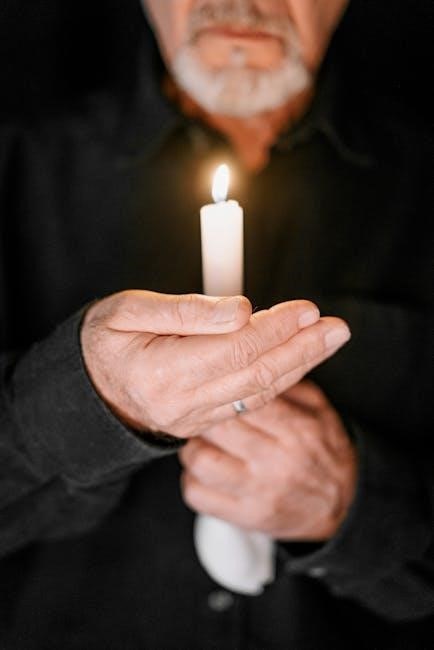
It’s important to remember there’s no “right” way to grieve. Embracing the deceased’s presence through intentional remembrance – lighting a candle, sharing stories – can be a comforting alternative. Creating new traditions, while honoring the past, can also offer a sense of continuity and hope, allowing for a gentle adaptation to life without your loved one.
Emotional and Mental Health Considerations
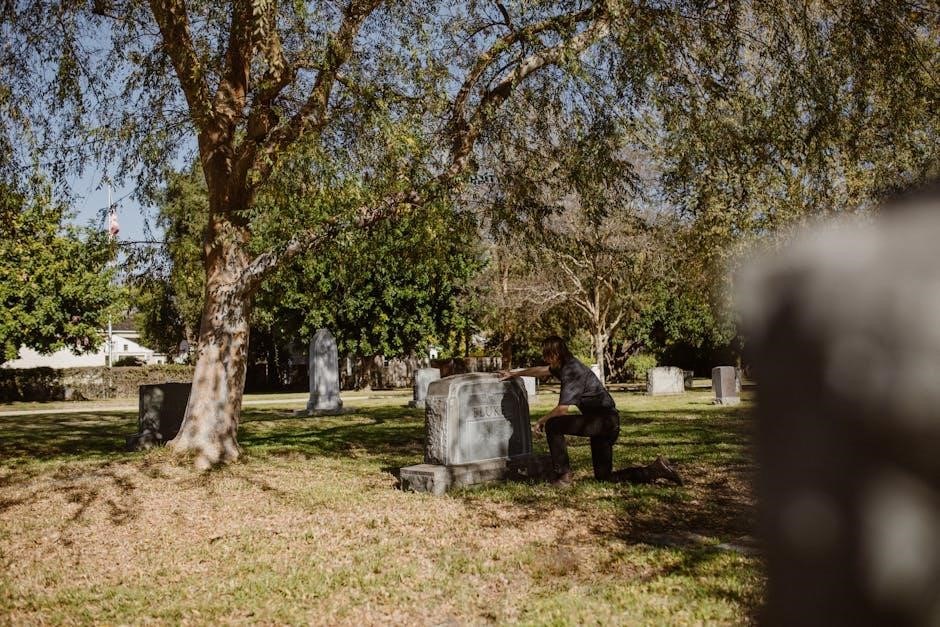
The holidays can exacerbate grief, potentially leading to anxiety, depression, and increased stress. Recognizing these manifestations is crucial for self-compassion and seeking appropriate support during this challenging time.

Recognizing Grief’s Manifestations

Grief presents uniquely for everyone, extending beyond sadness to encompass a wide spectrum of emotional and physical responses. During the holidays, these manifestations can feel particularly acute. Expect fluctuations in mood – moments of joy mingled with overwhelming sorrow are common.
Physical symptoms like fatigue, changes in appetite, sleep disturbances, and even physical pain can accompany emotional distress. Increased irritability, difficulty concentrating, and a sense of detachment are also frequent experiences. It’s important to remember that there’s no “right” way to grieve, and your experience is valid.
You might find yourself withdrawing from social activities, even those you typically enjoy, or experiencing heightened anxiety about upcoming holiday events. Feelings of guilt, regret, or anger are also possible. Recognizing these diverse manifestations allows for self-compassion and informed self-care, paving the way for healthier coping mechanisms during this sensitive season. Acknowledging these feelings is the first step towards navigating them.
Grief and Depression During the Holiday Season

The holiday season, while often portrayed as joyful, can exacerbate feelings of grief and, for some, trigger or worsen depression. Distinguishing between normal grief and clinical depression is crucial. While grief is a natural response to loss, depression is a more pervasive and enduring condition.
Symptoms of depression during the holidays might include persistent sadness, loss of interest in activities, significant changes in weight or appetite, sleep disturbances, feelings of worthlessness, and thoughts of death or suicide. If grief feels overwhelming and debilitating, interfering with daily functioning for an extended period, it may be more than just grief.
The increased social pressure and reminders of loss during the holidays can intensify depressive symptoms. Seeking professional help is vital if you suspect you are experiencing clinical depression. Don’t hesitate to reach out to a mental health professional for assessment and support; early intervention is key to recovery and well-being.
Managing Anxiety and Stress Related to Grief
Grief often brings heightened anxiety and stress, particularly during the emotionally charged holiday season. The pressure to maintain traditions, navigate social gatherings, and cope with painful memories can be overwhelming. Recognizing these feelings as a normal part of the grieving process is the first step towards managing them.
Coping strategies are essential tools for navigating these challenges. Practicing mindfulness and relaxation techniques, such as deep breathing exercises or meditation, can help calm the nervous system. Setting realistic expectations for yourself and others is also crucial; it’s okay to scale back on commitments or say no to events that feel too stressful.
Prioritizing self-care, including adequate sleep, healthy eating, and gentle exercise, can bolster your resilience. Remember that coping is about facing difficulties head-on, and seeking support from loved ones or a professional can provide valuable assistance during this difficult time.

Practical Coping Strategies
Embrace remembrance through candles, decorations, or a place at the table; love endures beyond loss. Creating new traditions and honoring memories gently aids healing.
Honoring Your Loved One’s Memory
Finding ways to actively remember your loved one can be profoundly healing during the holidays. It’s a testament to the enduring power of love and connection, acknowledging their continued presence in your life, even in absence. Consider lighting a special candle in their honor, a symbolic gesture representing their enduring spirit and the warmth they brought.
Purchasing a new holiday decoration specifically to remember them can also be a comforting ritual, creating a visual reminder of their memory each year. Many find solace in setting a place at the table for them during festive meals, acknowledging their usual spot and including them in the celebration.
Preparing and sharing their favorite recipe is another beautiful way to keep their memory alive, evoking cherished moments and tastes. These actions aren’t about dwelling on sadness, but about embracing their presence through continued bonds and positive remembrance. It’s recognizing that grief and love coexist, and that honoring their memory is a vital part of the healing process.
Creating New Traditions
When grief alters the landscape of familiar holiday celebrations, establishing new traditions can offer a sense of continuity and hope. It acknowledges the change while fostering new, meaningful experiences. These traditions don’t need to be grand or elaborate; simple acts can hold significant weight.
Perhaps volunteering at a local charity as a family, dedicating time to a cause your loved one cared about, could become a new annual event. Starting a new holiday-themed craft or activity, like making ornaments or baking cookies together, can create fresh memories.
A quiet evening of storytelling, sharing cherished memories of your loved one, can be a comforting and connecting experience. The goal isn’t to replace old traditions, but to supplement them with new ones that honor the present while keeping the past alive. These new rituals can provide a sense of control and purpose during a challenging time, fostering healing and resilience.
Setting Realistic Expectations
The holiday season often carries an idealized image of joy and perfection, which can be particularly difficult to reconcile with grief. Setting realistic expectations is crucial for navigating this emotional terrain with self-compassion. Acknowledge that this year will be different, and it’s okay if celebrations aren’t as vibrant or extensive as in the past.
Don’t feel pressured to maintain all previous commitments or participate in every event. It’s perfectly acceptable to decline invitations, scale back plans, or simply prioritize rest and self-care. Recognize that grief fluctuates; some moments will be easier than others, and setbacks are normal.
Lowering expectations regarding your emotional state is equally important. Allow yourself to feel sadness, anger, or whatever emotions arise without judgment. Avoid striving for a “perfect” holiday; instead, focus on finding small moments of peace and connection. Remember, coping is about facing difficulties, not eliminating them entirely.
Seeking Support and Resources
Connecting with others who understand can be incredibly beneficial. Grief support groups, professional counseling, and faith-based resources offer companionship and guidance during challenging times.
Grief Support Groups and Communities
Finding solace in shared experiences is a powerful aspect of healing. Grief support groups and communities provide a safe and understanding environment where individuals navigating loss can connect with others who truly understand their pain. These groups, often facilitated by trained professionals or experienced peers, offer a space to share feelings, memories, and coping strategies without judgment.
Faith communities, hospice facilities, hospitals, and even funeral homes frequently host these invaluable resources, often free of charge. The benefit of connecting with those traversing similar difficult terrain cannot be overstated; they can offer unique perspectives and practical advice born from personal experience. Knowing you are not alone in your grief can significantly reduce feelings of isolation and despair, particularly during emotionally charged times like the holidays.
These communities foster a sense of belonging and validation, reminding individuals that their grief is normal and that healing is possible. Participating in a support group can empower you to develop healthier coping mechanisms and navigate the complexities of loss with greater resilience.
Professional Counseling and Therapy
When grief feels overwhelming or debilitating, seeking professional guidance can be profoundly beneficial. Licensed therapists and counselors offer specialized support tailored to individual needs, providing a safe and confidential space to explore complex emotions and develop effective coping strategies. Unlike support groups, therapy offers a one-on-one approach, allowing for deeper exploration of personal experiences and underlying issues contributing to grief.

A therapist can help identify unhealthy patterns of thought or behavior that may be hindering the healing process, and equip you with tools to manage anxiety, depression, or other mental health challenges often exacerbated during the holidays. They can also assist in processing traumatic aspects of the loss and navigating complicated grief reactions.
Professional intervention isn’t a sign of weakness, but rather a proactive step towards self-care and emotional well-being. It provides a structured and supportive environment to navigate the complexities of grief and rediscover a path forward, even amidst profound sadness.
Utilizing Faith-Based Resources

For many, faith offers a powerful source of comfort and strength during times of grief, particularly during emotionally charged holidays. Religious communities often provide a network of support, understanding, and shared beliefs that can be incredibly grounding when navigating loss. Churches, synagogues, mosques, and other faith-based organizations frequently host grief support groups specifically designed to address the unique challenges of bereavement.
These groups offer a safe space to share experiences, find solace in scripture or spiritual practices, and connect with others who understand the pain of loss. Clergy members and faith leaders can also provide individual counseling or spiritual guidance, offering a perspective rooted in faith and hope.
Furthermore, faith-based rituals and traditions can provide a sense of continuity and meaning during the holidays, helping to honor the memory of loved ones and find peace amidst sorrow. Exploring these resources can be a deeply healing experience.

Self-Care During Grief
Prioritizing your well-being is crucial; focus on physical health, mindfulness, and relaxation techniques. Gentle self-compassion and acknowledging your needs are vital during this challenging time.
Prioritizing Physical Health
During grief, physical health often takes a backseat, yet it’s a cornerstone of coping. The holidays, with their added stressors, exacerbate this tendency. Ensure you’re getting adequate sleep, even if it feels difficult; establish a regular sleep schedule as much as possible. Nourishment is also key – grief can suppress appetite, but consistent, healthy meals provide essential energy.
Don’t underestimate the power of gentle exercise. A walk, yoga, or any physical activity releases endorphins, natural mood boosters. Avoid relying on unhealthy coping mechanisms like excessive alcohol or comfort eating, as these offer temporary relief but ultimately worsen feelings.
Hydration is frequently overlooked. Drink plenty of water throughout the day to combat fatigue and support overall bodily functions. Remember, taking care of your physical self isn’t selfish; it’s a necessary act of self-preservation, enabling you to navigate the emotional landscape of grief with greater resilience.
Practicing Mindfulness and Relaxation
The holiday season, while often joyful, can amplify grief, making mindfulness and relaxation crucial coping tools. Grief often pulls us into rumination about the past or anxiety about the future; mindfulness gently anchors us in the present moment. Simple techniques like deep breathing exercises – inhaling slowly and deeply, exhaling completely – can calm the nervous system.
Consider incorporating meditation into your daily routine, even for just five or ten minutes. Guided meditations specifically designed for grief can be particularly helpful. Progressive muscle relaxation, where you systematically tense and release different muscle groups, can alleviate physical tension associated with stress and sadness.
Engage your senses: listen to calming music, spend time in nature, or enjoy a warm bath. These activities provide a respite from overwhelming emotions. Remember, relaxation isn’t about eliminating grief; it’s about creating space to experience it without being consumed by it, fostering a sense of inner peace amidst the pain.