
Aura by Carlos Fuentes: A Deep Dive
Carlos Fuentes’ Aura, published in 1962, remains a pivotal work of Mexican literature, sparking debate and analysis; finding a legitimate PDF version requires careful sourcing․
Carlos Fuentes (1928-2012) stands as one of Mexico’s most celebrated literary figures, a novelist and essayist whose work profoundly explored Mexican identity, history, and politics․ He masterfully blended experimental techniques with deep cultural roots, earning him the Cervantes Prize in 1987․ Aura, published in 1962, quickly established Fuentes as a leading voice in Latin American literature․
This novella, a cornerstone of the “boom” period, showcases Fuentes’ innovative style and thematic concerns․ The story, steeped in gothic atmosphere and psychological tension, centers around a young historian and the enigmatic women he encounters․ Finding a reliable PDF of Aura allows readers to delve into this captivating narrative, experiencing Fuentes’ lyrical prose and intricate storytelling firsthand․ Its enduring appeal lies in its exploration of illusion, power, and the complexities of human relationships․
Historical Context of Aura’s Publication (1962)
1962, the year of Aura’s publication, was a period of significant social and political change in Mexico․ The country was experiencing rapid modernization alongside deep-seated conservatism, creating a tension reflected in Fuentes’ work․ The post-revolutionary ideals were being questioned, and a growing awareness of social inequalities emerged․ This backdrop fueled artistic experimentation and a desire to challenge traditional norms․
The novella’s provocative themes – sexuality, repression, and the manipulation of history – immediately sparked controversy․ Accessing a PDF version today allows modern readers to understand the initial shockwaves․ The work’s exploration of these sensitive topics led to censorship concerns, highlighting the restrictive cultural climate of the time․ Aura became a symbol of a new, bolder literary voice challenging the status quo․
Plot Summary and Key Characters
Carlos Fuentes’ Aura centers on Felipe Montero’s transcription work for Consuelo Llorente, leading to a complex entanglement with her niece, Aura; a PDF reveals all․
Felipe Montero: The Narrator and Historian
Felipe Montero serves as the first-person narrator of Carlos Fuentes’ Aura, a young historian tasked with organizing the papers of the enigmatic Consuelo Llorente․ He embodies a detached, academic perspective initially, yet becomes increasingly consumed by the mysterious atmosphere of Consuelo’s home and the captivating presence of Aura․
His role as a historian ironically contrasts with the blurring of reality within the narrative; he attempts to document the past but finds himself entangled in a timeless, almost hallucinatory present․ Accessing a PDF version of the novella allows a closer examination of Felipe’s evolving psychological state and his unreliable narration․ His journey is one of increasing obsession and a loss of control, meticulously detailed within the text․
Consuelo Llorente: The Enigmatic Old Woman
Consuelo Llorente is a central, yet deliberately obscured, figure in Carlos Fuentes’ Aura․ She’s a wealthy, reclusive woman who hires Felipe Montero to catalogue her late husband’s documents․ Consuelo exerts a subtle, yet powerful control over her household, particularly over her niece, Aura․ Her character is steeped in mystery, hinting at a dark past and a possessive nature․
A digital PDF copy of the novella facilitates a detailed analysis of Consuelo’s dialogue and actions, revealing layers of manipulation and a disturbing connection to the house itself․ She embodies tradition and repression, creating an oppressive atmosphere that profoundly impacts Felipe and Aura․ Her true motives remain ambiguous, fueling the story’s unsettling tension․
Aura: The Mysterious and Captivating Niece
Aura, the titular character, is a young woman living under the dominion of her aunt, Consuelo Llorente․ She’s presented as strikingly beautiful, yet strangely passive, mirroring Consuelo’s movements and desires․ Her enigmatic nature immediately captivates Felipe Montero, the novella’s narrator, drawing him into a disturbing and surreal relationship․
Accessing a PDF version of Carlos Fuentes’ Aura allows for close reading of Aura’s limited dialogue and symbolic actions․ She represents a lost innocence and a tragic victim of societal constraints․ The novella’s ambiguity surrounding her identity and fate is central to its enduring power, prompting interpretations of her as both a real person and a spectral presence․

Themes Explored in Aura
Carlos Fuentes’ Aura, readily available as a PDF, masterfully explores illusion, power, Mexican identity, and repressed sexuality within a gothic framework․
The Blurring of Reality and Illusion
Carlos Fuentes’ Aura, often accessed as a PDF, profoundly investigates the porous boundary between what is real and imagined․ The narrative structure itself contributes to this disorientation, as Felipe Montero’s transcription work and immersion within Consuelo’s home create a dreamlike atmosphere․
The house, a central symbol, embodies this ambiguity, becoming a space where time seems to collapse and the past intrudes upon the present․ Aura’s own enigmatic nature further complicates matters; is she a genuine presence or a projection of Felipe’s desires and Consuelo’s manipulations?
The PDF format allows readers to closely examine Fuentes’ prose, noting how language and imagery consistently undermine a stable sense of reality, leaving the interpretation open to debate․
Power Dynamics and Control
Examining Aura, readily available as a PDF, reveals a complex web of power dynamics․ Consuelo Llorente exerts absolute control over both Felipe Montero and her niece, Aura, manipulating their actions and identities․ This control is subtly enforced, creating an atmosphere of psychological domination․
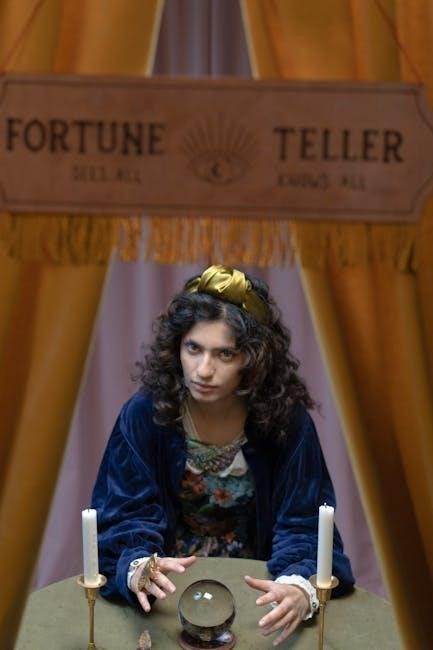
Felipe, initially believing himself to be a detached historian, gradually becomes a pawn in Consuelo’s game, his agency diminishing as he becomes increasingly entangled in her world․ Aura’s mimicry of Consuelo highlights her complete lack of autonomy․

The PDF allows for close reading of the text, revealing how Fuentes uses language and symbolism to illustrate the insidious nature of control and the suppression of individual will․
Mexican Identity and History
Aura, often found as a downloadable PDF, isn’t a straightforward historical account, but a deeply layered exploration of Mexican identity․ Fuentes utilizes a gothic setting and ambiguous narrative to reflect a nation grappling with its past․ The novel subtly references colonial structures and societal norms, hinting at a lingering sense of oppression and a fractured national consciousness․
Felipe’s role as a historian attempting to reconstruct the past mirrors Mexico’s own struggle to define itself․ The blurring of reality and illusion within the PDF’s narrative symbolizes the complexities of historical interpretation and the difficulty of uncovering a singular truth․
Fuentes masterfully weaves historical anxieties into a haunting tale․
Sexuality and Repression
The readily available PDF of Aura by Carlos Fuentes provocatively explores themes of sexuality and repression, contributing to its initial censorship concerns․ The dynamic between Felipe, Consuelo, and Aura is charged with unspoken desires and power imbalances, reflecting societal constraints of 1960s Mexico․
Aura’s almost doll-like imitation of Consuelo suggests a stifled individuality and a forced conformity․ The novel subtly critiques the restrictive expectations placed upon women, particularly regarding their sexuality․ Fuentes doesn’t explicitly depict sexual acts, but the underlying tension and psychological manipulation are palpable within the PDF’s pages․
This exploration fueled controversy upon its release․

Literary Techniques and Style
The PDF of Aura showcases Fuentes’ masterful use of gothic atmosphere, epistolary elements, and symbolic imagery, creating a haunting and psychologically complex narrative․
Narrative Structure: The Epistolary and Confessional
Carlos Fuentes employs a unique narrative structure in Aura, blending elements of the epistolary and confessional․ The story unfolds primarily through Felipe Montero’s detailed account, resembling a confession, as he transcribes Consuelo Llorente’s memories․ This first-person perspective, readily available in a PDF version of the novel, immediately immerses the reader in Felipe’s subjective experience and growing obsession․
While not strictly epistolary – lacking direct letters – the transcription process functions as a form of mediated communication, mirroring letter writing․ The PDF reveals how this structure heightens the sense of mystery and unreliability, as the narrative is filtered through Felipe’s interpretation of Consuelo’s recollections․ This creates ambiguity, blurring the lines between reality and illusion, a key characteristic of Fuentes’ style, easily observed when reading the PDF․
Symbolism: The House, the Plants, and the Objects
Carlos Fuentes masterfully utilizes symbolism in Aura, enriching the narrative available in a PDF format․ The decaying house embodies the past and the stifling weight of tradition, mirroring Consuelo’s controlling nature․ Plants, particularly orchids, represent a perverse, artificial beauty and Aura’s own constrained existence․ Examining a PDF copy reveals how these botanical elements symbolize repressed sexuality and the cyclical nature of history․
Objects within the house – furniture, photographs, and even the act of transcription itself – carry symbolic weight․ The PDF allows close reading to discern how these details contribute to the gothic atmosphere and reinforce themes of power and control․ Fuentes’ deliberate placement of these symbols, readily apparent in the PDF, elevates the story beyond a simple tale of obsession․

Use of Language and Imagery
Carlos Fuentes’ prose in Aura, accessible through a PDF version, is remarkably evocative, blending lyrical beauty with unsettling undertones․ The language mirrors the story’s blurring of reality and illusion, creating a dreamlike, almost hallucinatory experience․ A PDF allows for detailed analysis of Fuentes’ stylistic choices, including his use of repetition and fragmented sentences․
Imagery, particularly concerning light and shadow, is crucial․ The PDF reveals how Fuentes employs these visual elements to symbolize the characters’ psychological states and the oppressive atmosphere of the house․ The rich, descriptive language, best appreciated in a digital PDF format, contributes significantly to the novel’s gothic tone and its exploration of Mexican identity․
The Gothic Atmosphere and its Influence
Aura, readily available as a PDF, masterfully employs gothic conventions to heighten its themes of repression and control․ The decaying mansion, a central image easily examined within a PDF copy, embodies a claustrophobic and isolating environment․ Fuentes utilizes elements like shadows, silence, and a sense of foreboding, characteristic of the gothic genre․
This gothic influence, discernible when reading the PDF, isn’t merely stylistic; it reflects the novel’s exploration of Mexico’s historical and social anxieties․ The PDF format allows close reading of how Fuentes subverts traditional gothic tropes, blending them with Mexican cultural references․ The resulting atmosphere is both haunting and deeply symbolic, enriching the narrative’s complexity․

Critical Reception and Controversy
Carlos Fuentes’ Aura, often found as a PDF, initially faced censorship concerns due to its provocative themes, sparking academic debate and enduring controversy․
Initial Reactions and Censorship Concerns
Upon its 1962 publication, Carlos Fuentes’ Aura immediately ignited controversy in Mexico, with its exploration of sexuality and religious undertones proving particularly unsettling․ The novel’s provocative nature drew criticism, notably from figures like Salvador Abascal, the Minister of Finance, who drew parallels to controversial films․
The availability of the text as a PDF further complicated matters, potentially broadening its reach and intensifying concerns about its perceived moral implications․ While not explicitly banned, the novel faced scrutiny and discomfort within conservative circles․ This initial reaction established Aura as a work that challenged societal norms and sparked ongoing discussions about artistic freedom and censorship in Mexican culture․
Academic Analysis and Interpretations
Scholarly engagement with Carlos Fuentes’ Aura has consistently focused on its masterful blurring of reality and illusion, and its exploration of Mexican history through a “mythical reality․” Critics analyze the narrative’s epistolary and confessional structure, alongside potent symbolism – the house, plants, and objects – to unpack deeper meanings․
The novel’s accessibility as a PDF has facilitated wider academic study, allowing for increased textual analysis․ Interpretations often center on power dynamics, the repression of female sexuality, and the complexities of Mexican identity․ Fuentes’ use of gothic atmosphere and evocative language are also key areas of critical examination, solidifying Aura’s place as a significant literary work․
Aura’s Place in Mexican Literature
Carlos Fuentes’ Aura, published in 1962, quickly established itself as a cornerstone of 20th-century Mexican narrative․ Its innovative style and provocative themes – sexuality, religion, and historical reflection – challenged literary norms, sparking both acclaim and controversy․ The novel’s enduring influence is evident in its continued study and analysis․
The increasing availability of Aura as a PDF has broadened its readership and cemented its position within academic curricula․ It’s considered a prime example of the “boom” in Latin American literature, demonstrating Fuentes’ skill in blending psychological depth with social commentary․ Aura remains a vital text for understanding Mexican cultural identity․

Aura as a Reflection of Mexican Society
Aura critiques 1960s Mexican social norms, particularly the constrained roles of women, themes accessible through widely available PDF versions of the novel․
Social Norms and Expectations in 1960s Mexico
Carlos Fuentes’ Aura vividly portrays the restrictive social climate of 1960s Mexico, a period marked by deeply ingrained patriarchal structures and conservative expectations․ The novel subtly critiques the limited agency afforded to women, exemplified by Aura’s almost puppet-like existence under Consuelo’s control․ This dynamic reflects a broader societal expectation of female subservience and domesticity․
Accessing a PDF of Aura allows readers to closely examine how Fuentes uses symbolism – the house, the objects – to represent these societal constraints․ The story’s exploration of power dynamics and repressed sexuality further underscores the era’s rigid moral codes․ Studying the text, readily available in digital format, reveals a nuanced commentary on a society grappling with modernization while clinging to traditional values․
The Role of Women in Mexican Culture
Carlos Fuentes’ Aura offers a compelling, albeit unsettling, portrayal of women’s roles within Mexican culture․ Consuelo embodies the domineering matriarch, wielding power through manipulation and control, while Aura represents the stifled, almost ethereal, figure bound by societal expectations․ Obtaining a PDF version of the novella facilitates a deeper analysis of these characterizations․
The narrative implicitly critiques the limited opportunities available to women in 1960s Mexico, highlighting their confinement to domestic spheres and their vulnerability to exploitation․ Fuentes’ work, accessible in digital form, prompts reflection on the historical context and the enduring impact of patriarchal norms․ The story’s exploration of female identity remains powerfully relevant today․

Availability of Aura in PDF Format
Finding a legal PDF of Carlos Fuentes’ Aura requires caution; legitimate sources include university libraries and reputable online booksellers offering digital copies․
Legitimate Sources for Downloading Aura PDF
Obtaining a PDF version of Carlos Fuentes’ Aura legally is crucial to respect copyright and support the author’s work․ Several avenues offer legitimate access․ University library databases frequently provide digital copies for enrolled students and faculty․ Reputable online booksellers, such as Amazon and Barnes & Noble, often sell authorized PDF editions․
Project Gutenberg, while a valuable resource, doesn’t currently host a free PDF of Aura due to copyright restrictions․ Be wary of websites offering free downloads from unofficial sources, as these may contain malware or violate copyright laws․ Always prioritize purchasing from established vendors or accessing through academic institutions to ensure a safe and ethical reading experience․ Checking with your local public library for digital lending options is also recommended․
Copyright Considerations and Ethical Access
Carlos Fuentes’ Aura remains protected by copyright, even decades after its 1962 publication․ Downloading or distributing unauthorized PDF copies constitutes copyright infringement, carrying potential legal consequences․ Ethical access means obtaining the novella through legitimate channels – purchasing a PDF from authorized booksellers or borrowing it from a library․
Supporting authors and publishers financially ensures continued literary creation․ Respecting copyright fosters a healthy literary ecosystem․ While the internet offers convenience, prioritizing legal access demonstrates respect for intellectual property․ Consider the author’s rights and the value of their work when seeking a PDF version of Aura, choosing ethical options over potentially illegal downloads․

Further Research and Resources
Explore Carlos Fuentes’ complete works and scholarly articles analyzing Aura; legitimate PDF resources and academic databases offer deeper insights into this novella․
Carlos Fuentes’ Other Works
Carlos Fuentes boasts a prolific and diverse literary career extending far beyond Aura․ Readers captivated by the novella’s atmospheric prose and complex themes will find further enrichment in his expansive body of work․ Notable novels include The Death of Artemio Cruz, a fragmented narrative exploring guilt and revolution, and Terra Nostra, a multi-generational saga examining Mexican identity․
La Región Más Transparente, a politically charged novel, and Gringo Viejo, co-authored with Thomas Colchie, offer distinct perspectives on Mexican-American relations․ For those seeking shorter forms, Fuentes’ collection of short stories, Chango, showcases his mastery of concise storytelling․
While searching for a Aura PDF, exploring these other works provides a broader understanding of Fuentes’ literary evolution and enduring influence on Latin American literature․
Scholarly Articles on Aura
Numerous academic analyses delve into the intricacies of Carlos Fuentes’ Aura, offering diverse interpretations of its symbolism and themes․ Critical essays frequently explore the novella’s engagement with Mexican history, particularly its representation of societal norms and power dynamics․
Scholars often examine the blurring of reality and illusion within the narrative, alongside the psychological complexities of the characters․ Databases like JSTOR and Project MUSE host valuable articles dissecting the gothic atmosphere and Fuentes’ innovative narrative techniques․
When researching a Aura PDF, supplementing your reading with these scholarly perspectives enriches understanding and provides deeper insights into the novella’s enduring literary significance․