Can You Kayak to Burgess Falls Without a Guide? A Comprehensive Plan
Navigating Burgess Falls by kayak demands careful consideration; while possible, guided tours are highly recommended due to increasing popularity and safety briefings.
Understanding Burgess Falls & Kayaking Conditions
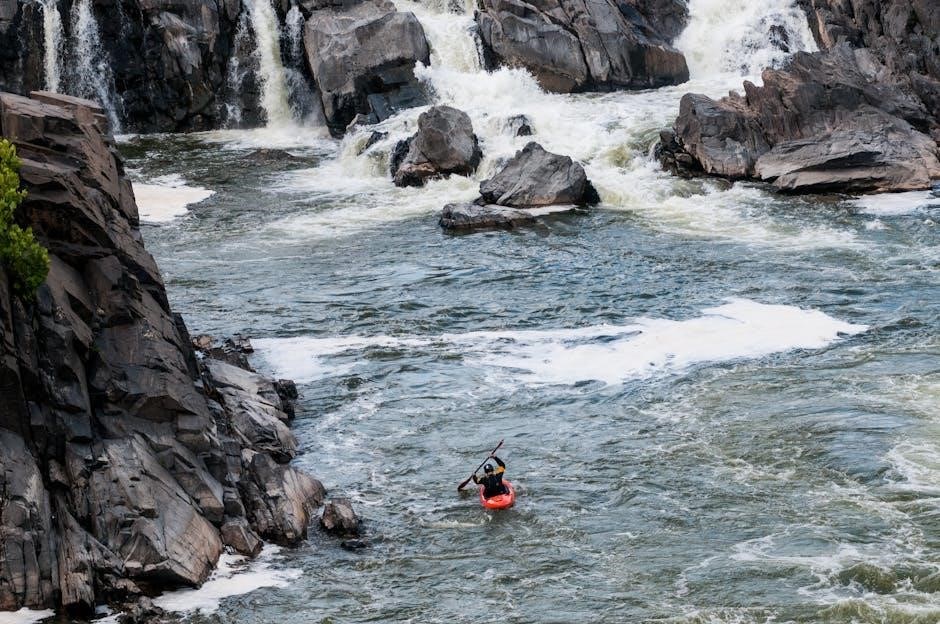
Burgess Falls State Park presents a uniquely beautiful, yet potentially challenging, kayaking experience. The falls themselves are a dramatic feature, cascading over cliffs into a stunning natural landscape. Paddlers encounter forested shorelines and captivating views, making it a popular destination. However, the river’s conditions are dynamic and require respect.
The Cumberland Plateau River, where Burgess Falls resides, isn’t a wide, placid waterway. It features varying currents and potential obstacles. Understanding these conditions is paramount for a safe journey. Adventure with a View offers a glimpse of what awaits, but preparation is key. Skill level matters; while suitable for all, experience enhances safety. Prioritize awareness of the river’s character before embarking on a solo trip.
Water Levels and Flow Rates
Monitoring water levels and flow rates is crucial before kayaking Burgess Falls. Fluctuations significantly impact the river’s difficulty. Higher flow rates increase current speed and create more challenging rapids, demanding advanced skills. Conversely, low levels may expose rocks and create shallow passages, hindering navigation.
Real-time data from the U.S. Geological Survey (USGS) or local authorities is invaluable. Checking these sources provides insight into current conditions; Safety briefings, often part of guided tours, emphasize this point. Understanding the river’s behavior allows informed decision-making. Avoid kayaking after heavy rainfall, as this dramatically increases flow and hazard potential. Prioritize safety by respecting the river’s power.
Potential Hazards for Unaccompanied Kayakers
Kayaking Burgess Falls solo presents several hazards. Strong currents, unpredictable rapids, and submerged rocks pose significant risks, especially for inexperienced paddlers. The dramatic cliffs surrounding the falls offer limited access for self-rescue if capsized. Strainers – debris caught in the current – can trap kayaks, creating dangerous situations.
Unexpected changes in weather can rapidly alter river conditions. Safety briefings with guided tours highlight these dangers. Without a guide, assessing these risks and reacting appropriately falls solely on the individual. Fatigue and isolation also contribute to potential problems. Thorough preparation, awareness, and realistic self-assessment are vital for unaccompanied kayakers.
Required Kayaking Experience Level
Burgess Falls isn’t ideal for novice kayakers. A minimum of intermediate paddling experience is strongly advised. This includes proficiency in maneuvering, self-rescue techniques (wet exits, re-entry), and reading river currents. Comfort navigating moving water and understanding eddy lines are crucial skills.
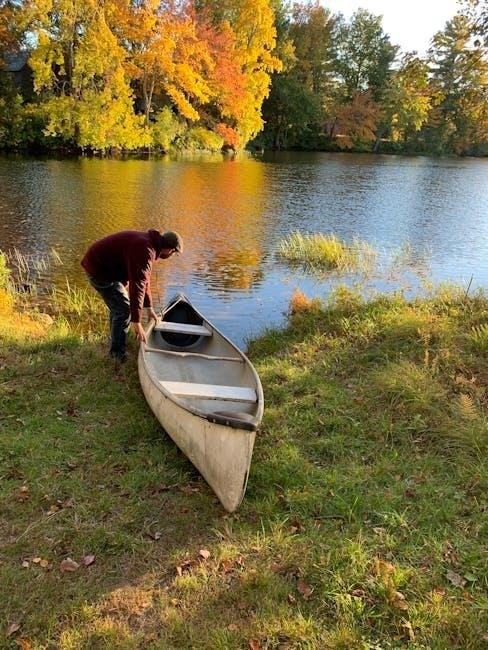
Beginners should opt for guided tours, benefiting from expert instruction and safety oversight. Unaccompanied kayakers must demonstrate confident control in varied conditions. Prior experience with similar river environments is highly beneficial. The ability to quickly assess and react to changing water levels and obstacles is paramount. Physical fitness and stamina are also essential for a safe and enjoyable trip.
Kayak Types Suitable for Burgess Falls
Sit-inside kayaks, specifically those designed for river touring, are generally best suited for Burgess Falls. These offer better control and protection from the elements. Shorter kayaks (under 12 feet) are more maneuverable in the potentially swift currents and around obstacles. Avoid excessively wide or long kayaks, as they can be harder to control.
Sit-on-top kayaks are less recommended due to increased exposure and potential for filling with water. Inflatable kayaks, while portable, may lack the rigidity needed for navigating the river’s features. Ensure your kayak has adequate storage for essential safety gear. A kayak with a rudder or skeg can aid in tracking and stability.
Single vs. Double Kayaks: Stability Considerations
For Burgess Falls, a single kayak is generally preferred, especially for those with less experience. Single kayaks offer greater maneuverability and individual control, crucial for navigating currents and potential hazards; While a double kayak can be used, it demands significantly more coordination and strength from both paddlers.
Stability is key; a wider double kayak will be more stable, but harder to turn. Weight distribution is critical in a tandem kayak – ensuring the heavier paddler is positioned towards the front or rear maintains balance. Beginners should strongly consider a single kayak for increased confidence and control on this river.
Essential Kayaking Equipment
Beyond the kayak itself, several items are non-negotiable for a safe Burgess Falls trip. A Personal Flotation Device (PFD) is paramount – legally required and life-saving. A properly fitted helmet is strongly advised, protecting against low-hanging branches and unexpected falls.
Consider a waterproof bag for essentials like a phone, first-aid kit, and snacks. A whistle is vital for signaling in emergencies. Many kayaks offer storage sections, useful for water bottles and small containers. Waterproof pouches are available for added phone protection. Don’t forget appropriate clothing – layers are best, considering potential weather changes.
Personal Flotation Device (PFD) Requirements
A properly fitted PFD is absolutely mandatory when kayaking at Burgess Falls, and is legally enforced. It’s not simply about compliance; it’s about survival. The PFD must be U.S. Coast Guard-approved and in good working condition – check for rips, tears, and functional buckles.
Ensure a snug, secure fit; it shouldn’t ride up over your head when you raise your arms. Different PFD types cater to various kayaking styles. Consider a Type III PFD for recreational paddling, offering a balance of comfort and buoyancy; Children and individuals with limited swimming ability require extra caution and potentially a more buoyant PFD.
Navigating the Cumberland Plateau River
The Cumberland Plateau River presents unique navigational challenges near Burgess Falls. Understanding the river’s character is crucial for a safe journey. Expect varying currents, especially closer to the falls, and be prepared to adjust your paddling technique accordingly. Pay close attention to the riverbed; submerged rocks and obstacles are common.
Mastering basic paddling strokes – forward, reverse, sweep, and draw – is essential for maneuvering around these hazards. Learn to identify and utilize eddies, areas of calmer water behind obstructions, for rest and strategic positioning. Constant vigilance and proactive paddling are key to avoiding unexpected encounters with the river’s dynamic flow.
Reading the River Current and Eddies
Successfully navigating to Burgess Falls requires a keen ability to ‘read’ the river. Observe the water’s surface for visual cues indicating current strength and direction. Faster, smoother water signifies stronger currents, while turbulent areas suggest obstructions or changes in riverbed depth. Eddies, those calmer pockets behind rocks or along the shoreline, are vital resting points.
Recognize how the current flows around obstacles; this reveals potential hazards and opportunities for efficient paddling. Practice identifying seams – the boundary between fast and slow water – and use them to your advantage. Understanding these dynamics allows you to conserve energy and maintain control, crucial for a safe and enjoyable kayaking experience.
Identifying Safe Entry and Exit Points
Careful selection of entry and exit points is paramount for a safe kayaking trip to Burgess Falls. Avoid steep, muddy banks or areas with significant undergrowth, as these can make launching and landing difficult and dangerous. Look for gently sloping, gravelly shores offering stable footing. Scout potential locations beforehand, if possible, to assess their suitability;
Consider proximity to hazards like fallen trees or swift currents. Prioritize areas with clear visibility and ample space for maneuvering. Remember that river conditions can change rapidly; what appears safe at one moment may not be later. Plan for potential portages if your chosen route encounters impassable obstacles.
Portage Considerations (If Necessary)
Burgess Falls presents potential obstacles necessitating a portage – carrying your kayak around an obstruction. Be prepared for this possibility, even with careful planning. Scout the river beforehand to identify likely portage points, such as around the base of the falls or over rocky sections.
Assess the terrain at the portage location; is it relatively flat and clear, or steep and overgrown? Ensure you have the physical strength and stamina to carry your kayak and gear. Utilize kayak carry handles or a portage yoke to distribute the weight effectively. Protect your kayak from damage during the portage by padding it appropriately.
Safety Precautions for Solo Kayaking
Solo kayaking at Burgess Falls demands heightened awareness and preparation. Always inform someone of your detailed float plan, including your route, expected return time, and emergency contacts. Carry a reliable communication device, such as a waterproof phone or a whistle, for signaling in case of trouble.
Prioritize a well-stocked first-aid kit, addressing potential injuries like cuts, scrapes, and hypothermia. Be vigilant about weather conditions; avoid kayaking during storms or high winds. Maintain constant situational awareness, scanning for hazards and monitoring your energy levels. Never overestimate your abilities and be prepared to turn back if conditions deteriorate.
Communication Methods (Whistle, Phone in Waterproof Case)
Effective communication is paramount when kayaking Burgess Falls solo. A loud whistle is crucial for attracting attention in emergencies, easily heard over the sounds of the river and falls. Ensure it’s readily accessible, attached to your PFD.
A waterproof phone case allows you to carry a mobile phone for contacting emergency services, but remember cell service can be spotty. Pre-program emergency numbers and consider downloading offline maps. Inform someone of your plans and designated check-in times. Two-way radios can be useful if kayaking with a group, but range is limited. Prioritize redundancy – don’t rely on a single communication method.
First Aid Kit Essentials
A comprehensive first aid kit is non-negotiable for a solo kayaking trip to Burgess Falls. Include waterproof bandages of various sizes, antiseptic wipes, pain relievers, blister treatment, and gauze pads. Don’t forget medical tape, scissors, and tweezers for removing splinters or debris.
Consider adding an emergency blanket for shock or hypothermia, and any personal medications you require. CPR- and first-aid-certified guides emphasize preparedness. A small guide on wilderness first aid can be invaluable. Regularly check your kit to ensure supplies are current and haven’t expired. Knowing how to use the contents is just as important as carrying them!
Weather Monitoring and Trip Planning
Diligent weather monitoring is crucial before kayaking Burgess Falls. Check forecasts for precipitation, wind speed, and temperature – conditions can change rapidly. Avoid kayaking during thunderstorms or high winds. Plan your trip during stable weather windows, and inform someone of your itinerary, including expected return time.
Understand that river levels fluctuate with rainfall. Guided tours often adjust or cancel due to inclement weather. Utilize multiple weather sources for a comprehensive overview. Pack appropriate clothing layers for varying conditions. A waterproof bag for electronics is essential. Prioritize safety; postpone your trip if the forecast is unfavorable.
Guided Tour Options at Burgess Falls
Numerous outfitters provide guided kayak tours to Burgess Falls, catering to various skill levels. These tours offer a safer and more informative experience, especially for first-time kayakers. CK Outfitters is noted for its organized trips and convenient kayak features like storage and waterproof pouch sales. Booking in advance is highly recommended due to increasing popularity.
All guided tours employ CPR- and first-aid-certified guides, ensuring a swift response in emergencies. They provide essential safety briefings and equipment. Tours typically allow ample time to explore the falls and surrounding scenery. Consider a guided tour for peace of mind and a richer understanding of the area’s natural beauty.

Benefits of a Guided Kayak Tour

Opting for a guided tour at Burgess Falls provides significant advantages, particularly for those unfamiliar with the river’s conditions. Expert guides offer invaluable insights into the local ecosystem and navigate potential hazards effectively. Their CPR and first-aid certification ensures immediate assistance if needed, offering peace of mind.
Guided tours eliminate the stress of route planning and safety checks, allowing you to fully enjoy the stunning scenery. They often include all necessary equipment, simplifying logistics. Furthermore, guides can share fascinating information about the falls’ history and geology, enriching your experience. A guided tour transforms a simple kayak trip into an educational and memorable adventure.

CPR and First-Aid Certified Guides
Safety is paramount when kayaking, especially on a river like the one leading to Burgess Falls. Reputable tour operators prioritize this by employing guides certified in CPR and first-aid. This crucial qualification ensures they are equipped to handle medical emergencies that may arise during the excursion.
Certified guides can effectively assess and respond to injuries, administer immediate care, and stabilize a situation until professional medical help arrives. Their training covers a range of scenarios, from minor cuts and bruises to more serious incidents. Knowing that a skilled and certified professional accompanies your trip significantly enhances your safety and provides reassurance.
Booking Considerations & Availability

Due to the rising popularity of kayaking at Burgess Falls, securing your spot requires proactive planning. Advance booking is highly recommended, particularly during peak seasons and weekends, to avoid disappointment. Operators often have limited kayak availability and tour slots.
Consider the tour duration and what’s included – some packages offer extended time at the falls or include equipment rentals. Check cancellation policies carefully before confirming your reservation. Compare different tour providers to find the best fit for your skill level and preferences. Prompt booking ensures you don’t miss out on this scenic adventure!
Local Regulations and Permits
Understanding and adhering to local regulations is crucial for a safe and responsible kayaking experience at Burgess Falls. The Tennessee Wildlife Resources Agency (TWRA) provides guidelines regarding boating safety and waterway access. It’s essential to familiarize yourself with these rules before your trip.
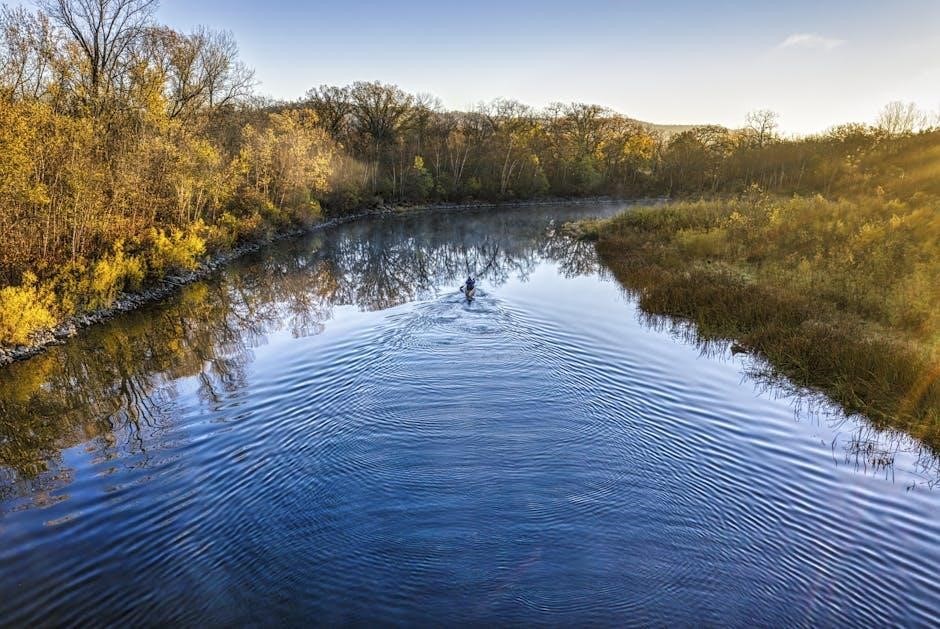
Park rules and restrictions may apply, including designated launch and landing areas, speed limits, and restrictions on certain sections of the river. Confirm whether any permits are required for kayaking activities within the park boundaries. Respecting these regulations ensures the preservation of this natural environment and the safety of all visitors. Always prioritize compliance with local authorities.
Tennessee Wildlife Resources Agency (TWRA) Guidelines
The TWRA enforces boating safety regulations on Tennessee waterways, including the Cumberland Plateau River near Burgess Falls. All kayakers are required to comply with these guidelines, which cover essential equipment, navigation rules, and responsible boating practices. Properly fitted Personal Flotation Devices (PFDs) are mandatory for all individuals on board, regardless of swimming ability.
TWRA guidelines also address safe distances from dams and other structures, as well as restrictions on alcohol consumption while operating a kayak. Familiarize yourself with reporting procedures for accidents or emergencies. Adhering to these regulations is vital for ensuring a safe and enjoyable kayaking experience, protecting both yourself and the surrounding environment.
Park Rules and Restrictions
Burgess Falls State Park implements specific rules to preserve the natural beauty and safety of the area. Kayakers must adhere to designated access points and avoid trespassing on private property along the riverbanks. Restrictions may apply to certain areas, particularly near the base of the falls, to protect sensitive ecosystems and prevent accidents.
Park regulations often include limitations on group size and noise levels. Leave No Trace principles are strictly enforced, requiring kayakers to pack out all trash and minimize their impact on the environment. Be aware of posted signage detailing specific park rules and any temporary closures or restrictions. Compliance ensures a respectful and sustainable experience for all visitors.
Leave No Trace Principles
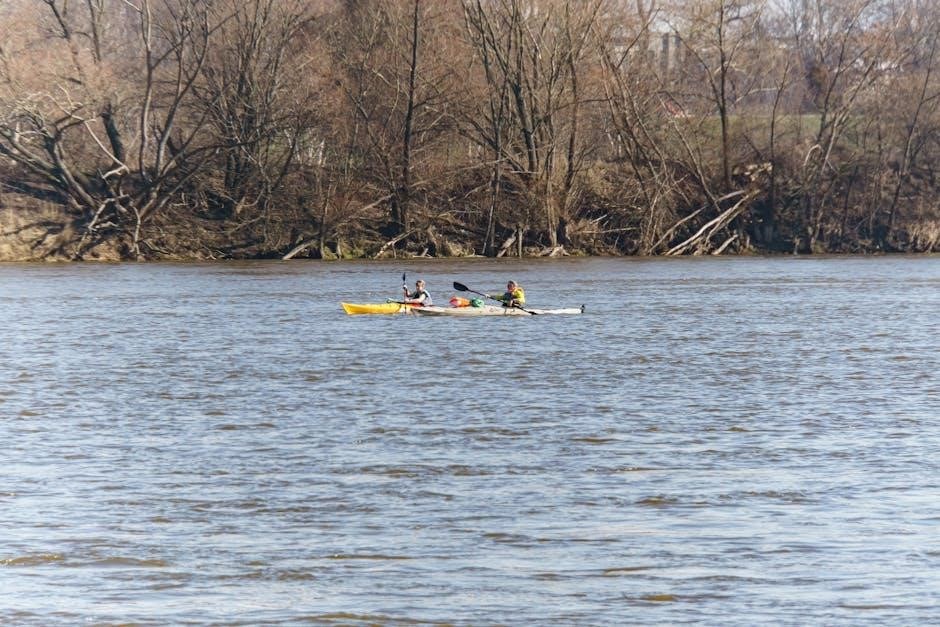
Protecting the pristine environment of Burgess Falls requires strict adherence to Leave No Trace principles. Kayakers are responsible for packing out all trash, including food wrappers, bottles, and any gear remnants. Minimize campfire impacts – ideally, avoid them altogether. Respect wildlife by observing from a distance and never feeding animals.
Stay on designated trails when portaging or exploring the shoreline. Avoid disturbing vegetation or altering the natural landscape. Properly dispose of human waste, utilizing designated facilities when available. Be considerate of other visitors, minimizing noise and respecting their experience. Practicing these principles ensures the long-term preservation of this beautiful natural area.