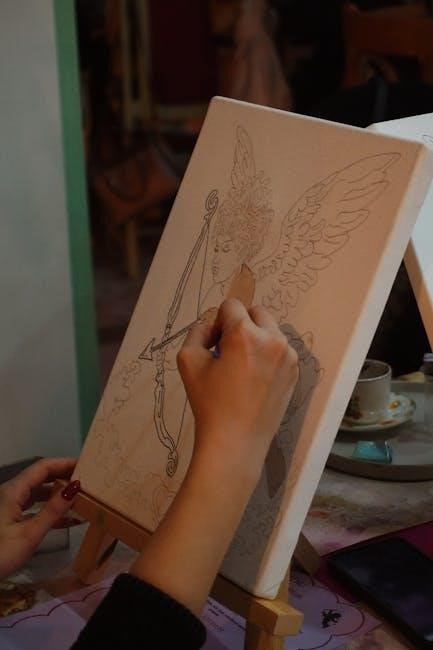
Expressive Art Therapy Activities: A Comprehensive Plan
Discover a wealth of resources! Explore 100 art therapy ideas and exercises, alongside helpful PDF resources, to unlock harmony and self-discovery through art.
Embrace diverse modalities. From painting and sand painting to music and journaling, find activities tailored to healing, rehabilitation, and profound self-reflection.
Seasonal inspiration awaits. Engage in enchanting winter and comforting fall-themed activities designed to relax, destress, and foster creative expression throughout the year.
Unlock deeper understanding. Utilize drawing, color exploration, and word-based art to visualize thoughts, embrace impermanence, and express feelings with physicality and clarity.
Expressive Art Therapy (EXAT) is a powerful, multifaceted approach to mental and emotional wellbeing, gaining recognition for its unique ability to bypass traditional verbal processing. It’s a realm where creativity isn’t about artistic skill, but about the process of creation itself – a journey of self-discovery facilitated through various artistic mediums.
PDF resources are readily available, offering a fantastic starting point for both practitioners and individuals seeking self-exploration. These often contain structured activities, prompts, and guidance for utilizing art as a therapeutic tool. From drawing your feelings to exploring color symbolism, these resources provide a structured pathway into the world of EXAT.
The core principle lies in allowing emotions to surface and be expressed non-verbally. Whether through painting, music, writing, or sandplay, EXAT provides a safe space to explore inner landscapes, process trauma, and cultivate self-awareness. It’s a method that complements traditional therapy, offering a different avenue for healing and growth. Many find it particularly helpful when struggling to articulate complex emotions.
EXAT’s accessibility makes it a valuable tool for diverse populations, including those in rehabilitation programs, and individuals seeking stress reduction or self-discovery.
What is Expressive Art Therapy?
Expressive Art Therapy (EXAT) isn’t about creating aesthetically pleasing artwork; it’s about utilizing the creative process to explore emotions, enhance self-awareness, and resolve psychological issues. It’s a form of psychotherapy that integrates artistic methods – painting, drawing, music, writing, dance, and more – as primary means of communication.
PDF activity guides often demonstrate this beautifully. They showcase prompts designed to unlock inner experiences, like visualizing thoughts through word-based art or embracing impermanence with ephemeral creations. These resources emphasize the journey, not the outcome.
Unlike traditional art classes, EXAT doesn’t require artistic skill. The focus is on the expression itself, allowing individuals to bypass cognitive barriers and access deeper emotional layers. It’s a safe, non-judgmental space to explore feelings that may be difficult to verbalize.
EXAT’s strength lies in its ability to tap into the subconscious, offering insights and promoting healing through creative expression. It’s a holistic approach that acknowledges the interconnectedness of mind, body, and spirit.
The Benefits of Expressive Art Therapy
Expressive Art Therapy (EXAT) offers a multitude of benefits for mental and emotional wellbeing. PDF resources brimming with activities demonstrate its power to reduce stress and anxiety, fostering a sense of calm and self-regulation. It’s a powerful tool for self-discovery, helping individuals understand their thoughts, feelings, and behaviors on a deeper level.
Through creative expression, EXAT can improve emotional regulation, boost self-esteem, and enhance communication skills. Activities like journaling prompts and color exploration encourage introspection and self-reflection, leading to increased self-awareness.
Furthermore, EXAT can be particularly beneficial in rehabilitation settings, as evidenced by its use in drug rehab programs alongside music therapy. It provides a non-verbal outlet for processing trauma and promoting healing.
Ultimately, EXAT empowers individuals to tap into their inner resources, fostering resilience and promoting overall psychological health. It’s a journey of self-exploration and transformation.
Expressive Art Therapy vs. Traditional Therapy
Traditional psychotherapy, while effective, can sometimes involve lengthy treatment periods and inconsistent outcomes. Expressive Art Therapy (EXAT), accessible through numerous PDF activity guides, offers a complementary and often more efficient approach. EXAT leverages the power of creative expression – drawing, painting, music, and journaling – to bypass purely verbal processing.
Unlike traditional talk therapy, EXAT allows individuals to explore emotions and experiences in a non-threatening, symbolic manner. This can be particularly helpful for those who struggle to articulate their feelings verbally or have experienced trauma.
Research suggests creative interventions, like those found in EXAT, offer more benefits than traditional methods alone. EXAT isn’t a replacement, but a valuable addition, fostering self-awareness and emotional release through artistic mediums. It provides a unique pathway to healing and growth.
Core Techniques & Activities
Unlock inner worlds! Explore drawing feelings, color exploration, and visualizing thoughts through PDF guides, embracing ephemeral art for impactful self-expression and healing.
Drawing Your Feelings
Unleash emotional expression through art! This core technique utilizes drawing as a direct channel to externalize internal states, offering a non-verbal outlet for complex emotions. PDF resources provide guided prompts and exercises to facilitate this process, encouraging individuals to translate feelings into visual form.
Don’t focus on artistic skill; the emphasis is on the process, not the product. Scribbles, shapes, and colors are all valid expressions. Explore different drawing styles – abstract, representational, or symbolic – to discover what resonates most. Consider drawing feelings as colors, textures, or even imagined creatures.
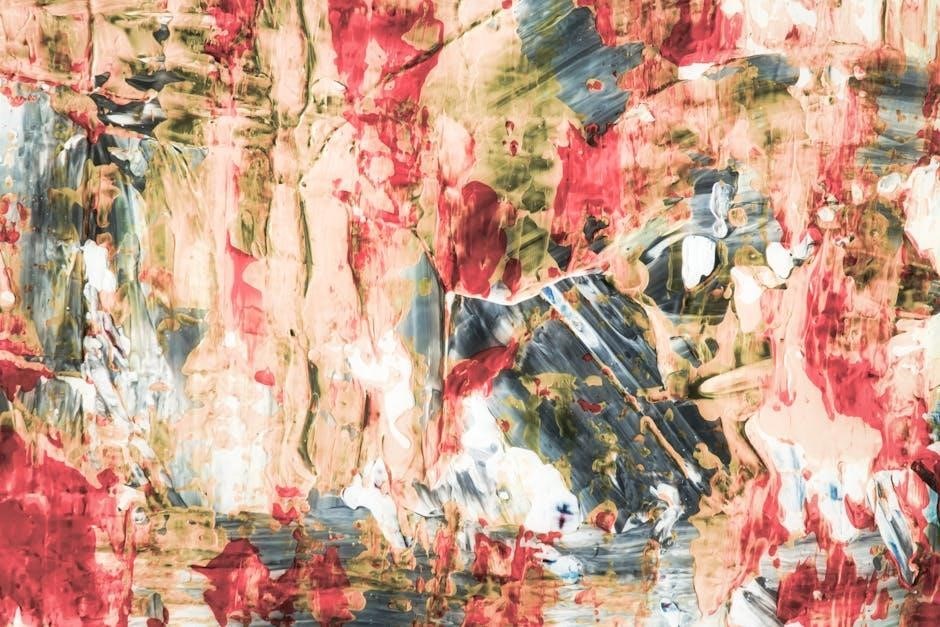
PDF guides often include prompts like “Draw your anxiety,” or “Draw what sadness looks like to you.” This helps bypass cognitive blocks and access deeper emotional layers. The physicality of drawing – the pressure of the pencil, the flow of the lines – can be incredibly grounding and cathartic. It’s a powerful way to understand and process emotions, and a fantastic starting point for expressive art therapy.
Color Exploration & Emotional Representation
Dive into the psychology of color! This activity explores the powerful connection between hues and emotions, utilizing PDF resources to guide participants in associating colors with their internal experiences. It’s a fundamental technique in expressive art therapy, bypassing verbalization to access subconscious feelings.
Begin by simply noticing which colors you’re drawn to, and which you avoid. Then, experiment with assigning emotions to different colors – what does red feel like? What about blue? PDF exercises often involve color palettes representing specific moods or experiences.
Don’t limit yourself to realistic representation. Explore abstract color combinations to express complex or nuanced emotions. The goal isn’t to create a beautiful picture, but to deepen self-awareness and unlock emotional understanding. This process can reveal hidden feelings and provide valuable insights into your inner world, as detailed in many PDF guides.
Word-Based Art: Visualizing Thoughts
Transform inner dialogue into visual form! This technique, often detailed in PDF art therapy activity guides, encourages participants to explore their thoughts and feelings by visually representing words. It’s a powerful method for externalizing internal experiences and gaining new perspectives.
Start by selecting words that resonate with your current emotional state. Then, experiment with different artistic styles – calligraphy, typography, or even abstract doodles – to visually express those words. PDF resources provide prompts like “write your fears” or “illustrate your hopes.”
Consider the color, size, and placement of the words. Do they swirl, clash, or blend? These visual choices can reveal subconscious associations and emotional undertones. This isn’t about artistic skill; it’s about using art as a tool for self-discovery, as many PDF exercises demonstrate.
Ephemeral Art: Embracing Impermanence
Letting go through creation! Ephemeral art, frequently explored in PDF expressive art therapy resources, centers around creating artwork that is intentionally temporary. This practice fosters acceptance of change and the beauty of the present moment. Unlike traditional art forms, the focus shifts from the finished product to the process of creation.
Examples include sand mandalas, ice sculptures, or drawings in the rain. Many PDF guides suggest using natural materials like leaves, flowers, or stones. The act of creating something beautiful knowing it will vanish can be profoundly liberating.
This technique is particularly helpful for individuals grappling with loss, anxiety, or perfectionism. PDF exercises often encourage reflection on the feelings that arise as the artwork dissolves, promoting mindfulness and emotional release. It’s a powerful reminder of life’s transient nature.

Specific Modalities & Applications
Explore diverse techniques! PDF resources detail painting, sand painting, music, and journaling, offering varied applications for healing and self-discovery through art.
Painting Therapy: A Deeper Dive
Unlocking Emotions Through Color and Form: Painting therapy, a cornerstone of expressive arts, provides a powerful avenue for emotional exploration and healing. Numerous PDF resources detail techniques, offering guided exercises to facilitate self-expression. These resources often emphasize the process over the product, encouraging individuals to focus on the act of painting itself, rather than striving for artistic perfection.
Exploring Therapeutic Applications: Painting can be utilized to address a wide range of mental health concerns, including trauma, anxiety, and depression. PDF guides frequently include prompts designed to help individuals visualize and externalize their feelings, using color, texture, and imagery as symbolic representations of their inner experiences. The act of applying paint to canvas can be incredibly grounding and cathartic, allowing for the release of pent-up emotions.
Accessing Resources: Many online platforms offer downloadable PDF workbooks and exercises specifically tailored for painting therapy. These resources often provide step-by-step instructions, along with insightful interpretations of common themes and symbols that may emerge during the painting process. Discover a path to harmony and self-understanding through the transformative power of paint!
Sand Painting for Healing
A Timeless Practice for Emotional Wellbeing: Sand painting, deeply rooted in cultural traditions, offers a unique and profoundly healing expressive art therapy modality. Numerous PDF resources detail the practice, emphasizing its ability to facilitate emotional release and promote inner peace. This technique allows individuals to create temporary artwork using colored sands, symbolizing the impermanence of life and the acceptance of change.

Therapeutic Benefits & Applications: The tactile nature of sand provides a grounding sensory experience, while the act of carefully placing each grain can be meditative and calming. PDF guides often include prompts designed to explore themes of loss, grief, and transformation. The ephemeral quality of sand paintings encourages letting go and embracing the present moment.
Finding Guidance & Resources: Online platforms provide downloadable PDF workbooks and exercises specifically for sand painting therapy. These resources offer step-by-step instructions and interpretations, fostering self-discovery and emotional healing through this ancient art form. Explore the path to harmony!
Music Therapy in Rehabilitation
Harnessing the Power of Sound: Music therapy stands as a powerful component within comprehensive rehabilitation programs, demonstrably effective for decades. Numerous PDF resources highlight its capacity to address physical, emotional, cognitive, and social needs. This therapeutic approach utilizes music-based interventions to restore, maintain, and enhance well-being, particularly beneficial in settings like drug rehabilitation.
Applications & Therapeutic Mechanisms: PDF guides detail techniques such as songwriting, improvisation, and receptive music listening. These methods can facilitate emotional expression, reduce anxiety, improve motor skills, and enhance communication. Music’s ability to bypass cognitive defenses makes it uniquely suited for accessing and processing trauma.
Accessing Resources & Further Learning: A wealth of downloadable PDF materials are available, offering exercises and protocols for music therapists and individuals seeking self-guided exploration. These resources provide insights into the neurological basis of music therapy and its applications across diverse rehabilitation contexts.
Journaling & Self-Reflection Prompts
Unlocking Inner Worlds: Journaling serves as a cornerstone of self-discovery within expressive arts therapy, offering a safe space for exploration and processing. Numerous PDF resources provide structured prompts designed to facilitate deep introspection and emotional release. This practice complements other art-based modalities, enhancing self-awareness and personal growth.
Guided Exploration & Therapeutic Benefits: PDF guides present 30+ journaling questions, encouraging reflection on dreams, fears, values, and life experiences. These prompts can help individuals identify patterns, challenge limiting beliefs, and cultivate self-compassion. The act of writing itself can be profoundly therapeutic.
Creative Integration & Resource Access: Explore 11 creative journaling techniques detailed in available PDF materials, moving beyond simple writing to incorporate art, collage, and other expressive elements. These resources empower individuals to personalize their journaling practice and unlock deeper insights.
Seasonal & Themed Activities
Explore themed PDF guides! Discover enchanting winter and comforting fall art therapy activities, designed for relaxation, destressing, and creative self-expression.
Find inspiration. Utilize PDF resources for stress and anxiety relief, alongside prompts for profound self-discovery through artistic exploration.
Winter Art Therapy Activities
Embrace the stillness of winter with a curated selection of expressive art therapy activities, readily available through downloadable PDF resources. These activities are designed to combat seasonal affective disorder and foster inner warmth during colder months.
Explore snowflake symbolism: Create intricate snowflake drawings or paintings, reflecting on uniqueness and the beauty of impermanence. Utilize color exploration PDF guides to represent emotions associated with winter – blues for tranquility, whites for purity, and silvers for introspection.
Winter landscape visualizations: Imagine and depict serene winter landscapes, focusing on feelings of peace and solitude. PDF prompts can guide self-reflection on themes of hibernation, renewal, and letting go. Experiment with mixed media, incorporating textures to represent snow and ice.
Cozy comfort collages: Gather images and materials evoking feelings of warmth and comfort – fireplaces, hot cocoa, cozy blankets – and create collages representing self-care and emotional security. Access PDF exercises for journaling about winter memories and aspirations.
Fall Art Therapy Activities
Transition with grace into autumn using expressive art therapy, enhanced by accessible PDF resources. These activities address themes of change, letting go, and preparing for introspection, mirroring the natural cycle of fall.
Leaf rubbings and impressions: Collect fallen leaves and create rubbings or impressions, symbolizing acceptance of impermanence and the beauty of decay. Utilize PDF guides for color palettes reflecting autumnal hues – reds, oranges, and browns – and their associated emotions.
Harvest gratitude paintings: Depict a bountiful harvest scene, focusing on feelings of gratitude and abundance. PDF prompts can encourage journaling about personal blessings and accomplishments. Explore textures representing the earth and the fruits of labor.
Autumnal mandala creation: Design mandalas incorporating fall imagery – leaves, pumpkins, acorns – to promote mindfulness and emotional balance. Access PDF exercises for guided meditation and self-reflection on themes of transformation and renewal.
Art Therapy for Stress & Anxiety
Navigate challenging emotions with expressive art therapy, supported by readily available PDF resources. These activities provide non-verbal outlets for processing stress and anxiety, fostering emotional regulation and self-soothing techniques.
Abstract expression of feelings: Utilize colors, shapes, and textures to represent internal states without focusing on realistic depiction. PDF guides offer prompts for exploring emotional palettes and understanding the symbolism of different artistic elements.
Doodle and release: Engage in free-form doodling, allowing thoughts and anxieties to flow onto the page without judgment. PDF exercises can incorporate mindful breathing techniques to enhance relaxation during the process.
Safe space visualization: Create a visual representation of a safe and calming environment, incorporating elements that evoke feelings of peace and security. Access PDF templates and prompts for guided imagery and self-compassion practices.
Art Therapy for Self-Discovery

Embark on a journey of introspection with expressive art therapy, utilizing accessible PDF resources to unlock hidden aspects of your identity and inner world. These activities encourage self-reflection and promote a deeper understanding of personal values, beliefs, and aspirations.
Autobiographical mapping: Create a visual timeline of your life, highlighting significant events, relationships, and turning points; PDF guides provide prompts for exploring memories and identifying patterns in your personal narrative.
Ideal self-portrait: Depict your ideal self, embodying qualities and characteristics you aspire to cultivate. PDF exercises can incorporate journaling prompts to clarify your vision and set intentions for personal growth.
Symbolic representation: Explore personal symbols and metaphors through art, uncovering unconscious meanings and gaining insights into your inner landscape. Download PDF worksheets with symbol dictionaries and creative prompts.

Advanced Techniques & Considerations
Delve into theoretical foundations and mechanistic studies via PDF resources, exploring EXAT’s application fields and the crucial role of physicality in emotional expression.
Understanding the Theoretical Basis of EXAT
Exploring the foundations of Expressive Arts Therapy (EXAT) requires understanding its diverse theoretical roots. While a single, unifying theory doesn’t define EXAT, it draws heavily from humanistic psychology, particularly the work of Carl Rogers and his emphasis on self-actualization and the therapeutic relationship.
Gestalt therapy also significantly influences EXAT, focusing on the ‘here and now’ experience and the integration of fragmented parts of the self. Psychodynamic theory contributes insights into unconscious processes and the symbolic language of art. Furthermore, Jungian psychology informs the understanding of archetypes and the collective unconscious, often surfacing in artistic expression.
PDF resources often detail these theoretical underpinnings, providing a deeper dive into how each perspective informs practice. EXAT isn’t about creating ‘good’ art; it’s about the process of creation as a pathway to self-discovery and emotional release. The art serves as a tangible representation of internal experiences, facilitating exploration and integration. Understanding these theoretical frameworks empowers therapists to effectively guide clients through the expressive process.
Mechanistic Studies in Expressive Arts Therapy
Research into the ‘how’ of Expressive Arts Therapy (EXAT) is growing, moving beyond simply demonstrating effectiveness to understanding the underlying mechanisms of change. Studies suggest that engaging in creative expression lowers cortisol levels, indicating reduced stress. PDF resources often summarize neurobiological findings, highlighting increased activity in brain regions associated with emotional processing and self-awareness during art-making.
The act of creating appears to facilitate emotional regulation by providing a non-verbal outlet for difficult feelings. Art-making can also promote neuroplasticity, strengthening neural pathways associated with creativity and resilience. Furthermore, the symbolic nature of art allows for the processing of trauma in a safe and contained manner.
EXAT’s effectiveness in rehabilitation programs, particularly for substance abuse, is linked to its ability to address underlying emotional issues and build coping skills. Ongoing research continues to refine our understanding of these mechanisms, informing more targeted and effective interventions.
Application Fields of Expressive Art Therapy
Expressive Arts Therapy (EXAT) demonstrates remarkable versatility, extending its benefits across a wide spectrum of settings and populations. PDF resources detail its successful implementation in mental health facilities, addressing conditions like anxiety, depression, and trauma. It’s also increasingly utilized in medical settings, aiding patients coping with chronic illness and pain.
Rehabilitation programs, particularly those focused on substance abuse, frequently incorporate EXAT to address underlying emotional issues and foster coping mechanisms. Educational institutions employ it to support students’ emotional well-being and enhance creativity. Furthermore, EXAT proves valuable in community outreach programs, serving vulnerable populations.
Its adaptability allows for tailored interventions for individuals, groups, and families, making it a powerful tool for promoting healing, self-discovery, and overall well-being in diverse contexts.
The Role of Physicality in Emotional Expression
Expressive Art Therapy uniquely leverages the connection between physical creation and emotional release. PDF guides highlight how the act of drawing, painting, sculpting, or moving can bypass cognitive defenses, allowing feelings to surface more readily. This physicality provides a tangible outlet for emotions that may be difficult to articulate verbally.
The sensory experience of working with different materials – the texture of paint, the coolness of clay, the rhythm of music – further enhances emotional processing. This embodied experience can lead to profound insights and breakthroughs.
EXAT acknowledges that emotions are not solely mental phenomena but are deeply rooted in the body. By engaging the physical self, individuals can access and integrate previously suppressed or unconscious emotions, fostering healing and self-awareness.
Resources & Further Exploration
Dive into a world of creativity! Access 100 art therapy ideas, exercises, and valuable PDF resources for beginners and experienced practitioners alike.
100 Art Therapy Ideas & Exercises
Unlock your creative potential with a comprehensive collection of art therapy prompts! Artistro presents a curated list of 100 Art Therapy Ideas & Exercises, designed to guide you on a path towards harmony and self-discovery. This resource is perfect for individuals seeking personal growth, emotional release, or simply a relaxing creative outlet.
Explore diverse techniques: From simple drawing exercises focusing on emotional representation to more complex projects involving color exploration and ephemeral art, there’s something for every skill level. Many exercises can be easily adapted for use with readily available materials, making art therapy accessible to everyone.
PDF resources enhance your journey: Complementing the 100 ideas, downloadable PDF resources provide further guidance, inspiration, and structured activities. These PDFs often include detailed instructions, prompts for self-reflection, and examples to spark your imagination. Begin your artistic exploration today and discover the transformative power of expressive arts!
Finding a Qualified Art Therapist
Embarking on an art therapy journey often benefits from professional guidance. Locating a qualified art therapist ensures a safe and supportive environment for exploring your emotions and experiences through creative expression. Consider seeking a therapist registered with a reputable professional organization, verifying their credentials and experience.
Utilize online directories and resources: Several online platforms specialize in connecting individuals with qualified art therapists in their area. These directories often allow you to filter by specialization, insurance acceptance, and therapeutic approach.
PDF resources can aid your search: While not a replacement for professional guidance, downloadable PDF resources can offer introductory information about art therapy and help you formulate questions to ask potential therapists. Remember, a strong therapeutic relationship is crucial for successful outcomes.
Expressive Art Therapy for Beginners
Starting your expressive art therapy journey can be incredibly empowering! Don’t worry about artistic skill; the focus is on the process of creation, not the final product. Begin with simple activities like free drawing, color exploration, or mindful doodling. PDF resources offer a fantastic starting point, providing guided exercises and prompts.

Embrace experimentation: Try different mediums – crayons, paints, clay – to discover what resonates with you. Allow yourself to be spontaneous and non-judgmental. The goal is to externalize your inner world, not to create a masterpiece.
Utilize readily available PDFs: Many free and affordable PDF guides offer introductory exercises. These can help you understand core techniques and build confidence in your creative expression; Remember, self-discovery is key!
PDF Resources for Expressive Art Therapy Activities
Numerous PDF resources are available to support your expressive art therapy practice! These downloadable guides offer structured exercises, prompts, and therapeutic insights, making them ideal for both beginners and experienced practitioners. Many websites compile lists of free and paid PDFs, catering to diverse needs and preferences.
Explore curated collections: Search for PDFs focusing on specific themes like stress reduction, self-discovery, or emotional healing. Look for resources that provide clear instructions and adaptable activities; Artistro, for example, offers a compilation of 100 art therapy ideas in accessible formats.
Remember to evaluate source credibility: Ensure the PDFs are created by qualified art therapists or mental health professionals to guarantee safe and effective practices. Utilize these resources to deepen your self-awareness and unlock your creative potential!