
Discover the dramatic continuation of Tony Kushner’s masterpiece, where political intrigue, personal turmoil, and supernatural encounters converge. Part 2 deepens the narrative, challenging readers with its layered storytelling and profound emotional stakes. A compelling narrative.!!!

Synopsis of Part 2
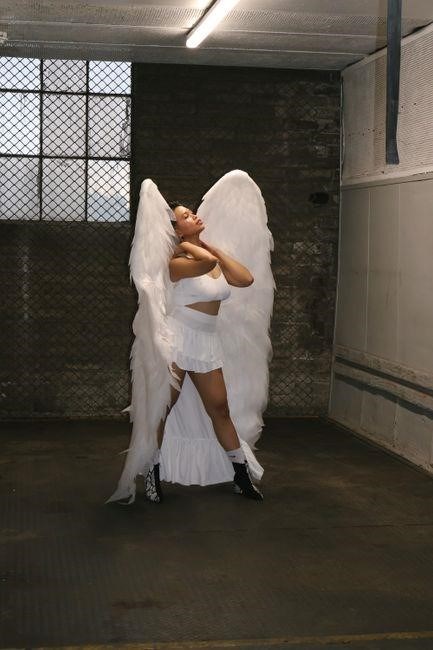
In the second act of Tony Kushner’s Pulitzer‑winning play, the narrative intensifies as personal dramas intersect with national crises. The story follows Prior, a former congressman, who confronts the haunting presence of his dead lover, while his wife, Harper, grapples with the moral complexities of her faith and her husband’s hidden past. Meanwhile, the AIDS epidemic escalates, casting a shadow over the city’s marginalized communities. The characters’ relationships are tested as they navigate political ambition, love, and the supernatural. A pivotal scene features a surreal vision of a white angel that forces the protagonists to confront their deepest fears and desires. The play culminates in a powerful climax where the lines between reality and myth blur, leaving the audience to ponder the nature of redemption, responsibility, and the human condition. Kushner’s masterful use of language and structure invites reflection on the era’s social upheavals and the enduring quest for meaning in a fractured world. The stage directions emphasize the claustrophobia of the city, the flickering lights of AIDS clinics, and the oppressive silence of political halls.
Throughout Part 2, Kushner weaves intricate dialogues that reveal the inner turmoil of each character, exposing the fragility of identity and the weight of choice. The political arena becomes a stage for commentary on power, corruption, and the consequences of silence. The narrative also delves into themes of faith and doubt, as characters wrestle with their beliefs amid personal loss. The play’s structure—alternating between realistic scenes and fantastical visions—creates a rhythm that mirrors the chaotic pulse of 1980s America. The dialogue is rich with metaphor, and the characters often speak in layers, revealing their hidden fears. By the final act, the characters are forced to confront the possibility that the angels they seek may be the very forces that guide them toward truth and transformation.
In the end, the resolution is ambiguous, reflecting the unresolved questions of the era. Kushner leaves the audience with a haunting image of a city that is both broken and hopeful, a testament to the resilience of those who live within it. The final scene is a quiet, almost cinematic tableau that invites contemplation. The play’s enduring relevance lies in its ability to capture the complexity of human experience, making it a timeless piece of literature.

Core Themes Explored
This section examines the play’s exploration of political power, identity, and the AIDS crisis, revealing how personal struggles intersect with national upheaval. The narrative intertwines personal loss with societal questions, urging audiences to confront moral ambiguity human resilience.
3.1 The AIDS Crisis
The AIDS crisis remains the central, haunting force in Part 2, its presence felt in every dialogue and stage direction. Kushner uses the disease not merely as a backdrop but as a catalyst that exposes the fragility of human connections and the urgency of compassion. The narrative follows the lives of characters directly affected—Stuart, Prior, and the ghostly Angel—highlighting how illness disrupts personal trajectories and forces confrontations with mortality. The play’s structure mirrors the progression of the epidemic, moving from denial to acceptance, and ultimately to a collective reckoning. Through stark monologues and symbolic imagery, Kushner underscores the societal failure to provide adequate support, while also celebrating the resilience of those who fight for dignity. The crisis is portrayed with a blend of stark realism and surreal elements, such as the angelic visions that serve as metaphors for hope and judgment. By weaving personal tragedies with the broader historical context, the play invites audiences to reflect on the political neglect that exacerbated the epidemic, the stigma that isolated patients, and the moral responsibility of governments and communities. The AIDS crisis in Part 2 is thus a multifaceted exploration of loss, activism, and the enduring human spirit, challenging viewers to confront uncomfortable truths and to recognize the power of empathy in the face of suffering. In addition, the play examines how the crisis intersected with the political climate of the 1980s, exposing the disconnect between policymakers and the afflicted. The juxtaposition of the White House’s silence with the intimate suffering of the protagonists serves as a critique of governmental apathy. Kushner’s dialogue often references historical figures and policy decisions, reminding audiences that the epidemic was not a natural disaster but a consequence of neglect and prejudice. The characters’ conversations about treatment options, funding, and the right to die illuminate the ethical dilemmas that arose during the crisis. Through these discussions, the playwright invites the audience to consider the moral obligations of society to protect its most vulnerable members.

3.2 Homosexual Identity
Homosexual identity in Part 2 is portrayed as a complex tapestry of desire, fear, and defiance. Kushner interweaves personal narratives with political commentary, illustrating how the protagonists navigate a society that simultaneously celebrates and condemns their love. Stuart’s internal monologue reveals the tension between his public persona and private longing, while Prior’s journey from denial to acceptance underscores the psychological toll of societal ostracism. The play’s dialogue often references historical milestones—Stonewall, the AIDS crisis, and the gradual shift toward LGBTQ+ rights—highlighting the evolution of public perception. Through symbolic gestures, such as the recurring motif of the angelic apparition, the text suggests that divine empathy transcends human prejudice, offering a moral framework for understanding. The characters’ relationships are depicted with raw honesty, exposing both the vulnerability that comes with intimacy and the strength required to confront discrimination. Kushner’s use of language—sharp, lyrical, and sometimes surreal—captures the emotional intensity of living as a queer individual in the 1980s. The narrative also critiques the legal and medical systems that marginalized LGBTQ+ communities, calling attention to the lack of representation and the need for advocacy. By juxtaposing personal love scenes with broader societal critique, the play invites audiences to reflect on the ongoing struggle for acceptance and equality. Ultimately, Part 2 presents homosexual identity as a dynamic, resilient force that challenges oppressive structures and asserts its rightful place in the human experience. The narrative also addresses how systemic racism intersects with queer identity, adding layers of complexity to the fight for equality. and hope.
3.3 Political Power Structures
Political power in Part 2 is dissected through the interplay of personal ambition and institutional authority. Kushner places the Reagan administration at the center, using its rhetoric to expose the hypocrisy of a government that publicly condemns AIDS while privately funding clandestine research. The narrative follows Senator Prior, who embodies the paradox of a political figure who, despite his public stance, secretly engages in clandestine deals that undermine public health. His transformation from a conservative to a more empathetic individual is framed by the moral conflict between personal gain and societal responsibility. The play also highlights the role of the media, which serves as both a mirror and a manipulator of public opinion. Through the character of the journalist, the script critiques sensationalism and the selective dissemination of information that shapes policy. Additionally, the presence of the angelic figure serves as a symbolic critique of divine justice, suggesting that true power lies beyond human institutions. The dialogue reveals how political structures can both suppress and empower marginalized voices, and how the intersection of race, sexuality, and class informs the distribution of influence. Kushner’s use of irony and satire exposes the fragility of power when confronted with the moral imperatives of the AIDS crisis. Ultimately, Part 2 invites audiences to question the legitimacy of authority and to consider the potential for reform when individuals confront systemic injustice. By exposing the hidden agendas that shape legislation, the play urges viewers to recognize that true change requires both personal courage and collective action. Now!

Character Development Highlights
Part 2 deepens characters: Stuart confronts mortality, Prior wrestles with conscience, and the angelic presence forces introspection. Each arc intertwines personal struggle with broader societal critique, revealing growth amid chaos. The narrative invites introspection on identity and power. End.!!!
4.1 Stuart’s Evolution
Stuart’s journey in Part 2 is a profound metamorphosis, marked by a relentless confrontation with mortality, identity, and the weight of his own choices. Initially, he remains a man anchored in the certainty of his past, yet the relentless progression of AIDS and the looming political upheaval force him to reassess his priorities. As the narrative unfolds, Stuart’s internal dialogue shifts from denial to a raw, unfiltered acceptance of his vulnerability. He moves from a position of passive observation to active engagement with the world around him, confronting the injustices that plague his community. This transition is mirrored in his relationships: his bond with Prior becomes increasingly fraught yet deeply transformative, as they navigate shared grief and the possibility of redemption. Stuart’s evolution is also reflected in his interactions with the supernatural elements, particularly the angelic figures that challenge his moral compass. These encounters compel him to question the nature of faith, the role of destiny, and the possibility of transcendence beyond the corporeal realm. By the conclusion, Stuart emerges as a figure of quiet resilience, embodying the capacity to transform pain into purpose. His arc underscores the play’s central thesis: that personal evolution is inseparable from collective responsibility, and that the path to redemption is paved with honest self‑reflection and courageous action. This evolution is not merely a personal triumph but a testament to the enduring human spirit in the face of systemic oppression and existential crisis. His journey remains a testament!!!!
4.2 Prior’s Transformation
Prior’s metamorphosis in Part 2 is a seismic shift from a man of privilege to a figure of profound humility and moral reckoning. Initially, he is portrayed as a charismatic, unapologetic advocate for the gay community, yet his personal life is marred by a sense of detachment and an inability to confront the consequences of his actions. As the AIDS crisis escalates, Prior is forced to confront the fragility of human life and the limits of his own power. He begins to question the efficacy of his political strategies, recognizing that rhetoric alone cannot heal the wounds inflicted by systemic discrimination. This introspective journey is catalyzed by the loss of close friends and the realization that his activism must be grounded in genuine empathy rather than performative gestures. Prior’s transformation is further accelerated by his encounters with the supernatural, particularly the angelic figures that challenge his worldview. These ethereal encounters compel him to reassess his relationship with faith, the nature of redemption, and the possibility of transcending earthly suffering. By the end of Part 2, Prior emerges as a more compassionate, self‑aware individual, willing to confront his past mistakes and to advocate for a future that embraces both justice and compassion. His evolution underscores the play’s central message that true leadership requires humility, accountability, and an unwavering commitment to the well‑being of all. This metamorphosis is a testament to the human capacity for growth and redemption, even in the face of profound adversity. The narrative arc, while steeped in the particularities of its time, resonates universally, offering a mirror to contemporary struggles and a reminder that transformation is possible even when the world seems unyielding. It invites reflection on the intersections of identity, politics, and spirituality, urging audiences to confront uncomfortable truths and to seek pathways toward collective healing.!!!!

Symbolic Elements and Motifs
In Part 2, the play’s symbolic tapestry is woven with recurring motifs that deepen its thematic resonance. The angelic figures—most notably the enigmatic “Angel” who appears as a spectral guide—serve as a conduit between the mortal and the divine, embodying the possibility of grace amid chaos. Their presence underscores the tension between secular activism and spiritual yearning, suggesting that redemption may require both political action and inner transformation. The recurring motif of the “cigarette” reflects the era’s pervasive addiction to nicotine, mirroring the characters’ addiction to power, status, and the illusion of control. When characters light a cigarette, it often signals a moment of confession or a fleeting escape from reality, highlighting the fragility of human agency. The motif of the “mirror” appears in scenes where characters confront their own reflections, symbolizing self‑awareness and the necessity of confronting one’s own complicity in systemic oppression. The play also employs the recurring image of the “rain” as a cleansing force, washing away guilt and disease, yet also reminding audiences of the relentless nature of the AIDS crisis. The motif of “music,” especially the recurring jazz pieces, reflects the improvisational nature of life and the need for adaptability in the face of uncertainty. The use of the “candle” as a symbol of hope and the fragility of life is evident in scenes where characters light candles to honor the dead, reinforcing the theme of remembrance. These motifs interlace to create a rich symbolic landscape that invites audiences to interpret the narrative through multiple lenses, thereby amplifying the play’s emotional and intellectual impact. The symbolic elements are not merely decorative; they function as narrative devices that propel character development and illuminate the play’s core questions about identity, mortality, and the possibility of transcendence. By weaving these motifs into the fabric of the story, Kushner invites the audience to engage in a dialogue that transcends the stage, encouraging reflection on the broader human condition. The motifs of fire and water further enrich the narrative. Fire, represented by the burning of the church in the climactic scene, symbolizes both destruction and purification, while water—seen in the recurring motif of the pool—evokes cleansing, rebirth, and the fluidity of identity. These elemental symbols reinforce the play’s exploration of transformation, illustrating how characters must navigate the dual forces of annihilation and renewal, and inviting the audience to consider how personal and collective crises can catalyze profound change and urge a reevaluation of what it means to live authentically in a world fraught with conflict and hope.

Historical and Sociopolitical Context
Set against the backdrop of 1980s America, Part 2 unfolds during a period of intense political polarization, the Reagan administration’s policies, and the escalating AIDS epidemic. The play reflects the era’s fear, stigma, and the clash between conservative morality and emerging LGBTQ activism. It highlights the federal response—or lack thereof—to the crisis, illustrating how governmental indifference fueled public panic. The narrative also captures the rise of the anti‑gay movement, the influence of the National Organization for Women, and the growing visibility of the gay community in urban centers. By weaving in real historical events—such as the 1987 Congressional hearings on AIDS funding—the text situates personal struggles within a broader sociopolitical framework, emphasizing how policy decisions directly impacted marginalized populations. The play critiques the commodification of politics, portraying politicians as opportunistic figures who exploit the crisis for personal gain. It also addresses the intersection of race, class, and sexuality, showing how minority groups faced compounded discrimination. Through its characters, the work examines the role of faith, the power of media, and the importance of grassroots mobilization. The historical context serves not only as a backdrop but as an active force shaping narrative arcs, revealing the complex interplay between individual agency and structural oppression. By grounding the story in concrete sociopolitical realities, the playwright invites audiences to reflect on contemporary parallels and the enduring relevance of the themes explored in the text. The text remains a powerful critique of 1980s politics, urging vigilance against repeating past injustices. Its layered narrative invites contemporary audiences to examine how policy, prejudice, and personal courage intersect in shaping societal memory for all.!!

Critical Reception and Reviews
Critics lauded Part 2 for its audacious narrative, complex characters, and unflinching portrayal of the AIDS crisis. The Pulitzer‑winning play was praised for its poetic language and political insight, with reviewers noting how Kushner’s dialogue oscillates between lyrical confession and sharp satire. Many commentators highlighted the play’s ability to humanize the abstract, turning policy debates into intimate, visceral experiences. The New York Times called it “a monumental achievement in contemporary drama,” while the Guardian praised its “bold, uncompromising vision.” Some reviewers, however, critiqued the dense symbolism, arguing that it can alienate audiences unfamiliar with the historical context. The play’s length and layered structure were also points of contention, with some suggesting a more streamlined approach could enhance accessibility. Despite these debates, the consensus remains that Part 2 is a powerful, timely work that resonates with contemporary audiences. Its exploration of identity, power, and faith continues to spark discussion in academic circles, theater festivals, and online forums. The text’s enduring relevance is reflected in its frequent inclusion in university curricula and its influence on modern playwrights. The critical reception underscores the play’s status as a cultural touchstone, a testament to the enduring power of theater to confront uncomfortable truths and inspire social change. The reviews collectively affirm that Part 2 stands as a landmark in American theater, offering an unvarnished look at a pivotal era while challenging audiences to confront the complexities of human experience. The dialogue between critics and audiences reveals the play’s capacity to provoke reflection and dialogue across generations, ensuring its place in the canon of socially conscious drama. The critical acclaim also highlights the importance of preserving and studying the text, ensuring that future generations can engage with its themes and artistic achievements. The play’s influence extends beyond the stage, shaping public discourse and encouraging activism, thereby cementing its legacy as a catalyst for change. Moreover, the play’s nuanced portrayal of the intersectionality of race, gender, and sexuality has been celebrated for its inclusivity, marking a significant stride in theatrical representation.

Accessing the PDF Version
To access the PDF, visit official publisher sites, academic libraries, or reputable e‑book platforms. Ensure the source is licensed; avoid unauthorized downloads. Libraries often provide digital loans, and many universities offer free access to students. Check regional laws before downloading.!!
8.1 Official vs. Unofficial Sources
Official sources for the PDF of ‘Angels in America Part 2’ include the publisher’s website, licensed digital platforms, and university libraries that provide access through subscription or academic credentials. These channels guarantee that the text is complete and legally distributed, respecting copyright holders and supporting the author’s rights. In contrast, unofficial sources—peer‑to‑peer file sharing sites, unauthorized torrent repositories, or download portals—pose significant risks. The content may be incomplete, corrupted, or altered, and users may inadvertently download malware or infringe on intellectual property laws. Moreover, unofficial copies often lack proper attribution, undermining the creator’s recognition and the broader ecosystem that sustains literary production. When choosing a source, it is essential to verify the publisher’s name, check for digital rights management markers, and confirm that the file’s metadata matches the original edition. Libraries frequently offer e‑book lending services that allow access without violating copyright, while some academic institutions provide open‑access repositories for students and faculty. For those outside institutional reach, online retailers or the publisher’s storefronts typically offer the PDF for purchase or subscription. In all cases, opting for avenues ensures reading experience while upholding ethical standards and protecting the creative community for scholars worldwide too.
Ethical and Legal Considerations
When accessing or distributing the PDF of “Angels in America Part 2,” readers must weigh both legal obligations and moral responsibilities. Copyright law protects the author’s intellectual property, and unauthorized copying or sharing can result in civil penalties or criminal prosecution. Ethically, sharing the text without permission disrespects the creator’s labor and deprives publishers of revenue that funds future works. Institutions that provide legitimate access—such as university libraries, official e‑book vendors, or licensed streaming services—offer a safe pathway that honors the author’s rights while allowing broad readership. For individuals, purchasing the PDF or using a library loan ensures compliance with the law and supports the broader literary ecosystem. Conversely, downloading from unverified torrent sites or peer‑to‑peer networks not only violates copyright but also exposes users to malware, phishing, and data breaches. The digital environment demands vigilance: verify the source, check for digital rights management, and avoid sites that promise “free” copies of copyrighted works. By choosing authorized channels, readers uphold both the legal framework and the ethical principle of respecting creative ownership, thereby fostering a sustainable culture of literary appreciation and innovation. Additionally, the legal landscape evolves with digital rights management and international treaties such as the Berne Convention, which obligate countries to protect works across borders. Scholars and students should consult institutional guidelines before reproducing excerpts, ensuring that any use falls within fair‑use provisions. When in doubt, contacting the publisher for permissions or seeking licensed excerpts is prudent. By adhering to these practices, readers contribute to a respectful and legally sound literary community. The responsibility extends beyond personal choice; educators must model compliance by providing students with legitimate resources and teaching the importance of citation. Publishers often offer bulk licensing for academic courses, which can reduce costs while maintaining legal integrity. Finally, the digital age offers tools like watermarking and secure access that help prevent unauthorized distribution, reinforcing the notion that technology can safeguard creative works.