
Neuroscience: Exploring the Brain, 4th Edition PDF ⸺ Article Plan
This article meticulously examines the 4th edition’s PDF accessibility, legality, and features, alongside comparisons to competing texts and notable updates within the edition.
It delves into the textbook’s core themes, author backgrounds, and suitability for various academic levels, providing a comprehensive overview for potential users.
Neuroscience: Exploring the Brain, 4th Edition, stands as a prominent and widely-respected resource in the field of neuroscience education. This textbook, authored by Mark F. Bear, Barry W. Connors, and Michael A. Paradiso, offers a comprehensive and accessible exploration of the nervous system, from its foundational principles to complex functions. The book distinguishes itself through a clear, friendly writing style, making intricate concepts understandable for students approaching the subject for the first time.
A key characteristic of this edition is its emphasis on the biological basis of behavior. It doesn’t merely present neurological facts but actively connects them to how we think, feel, and act. The authors’ passion for neuroscience is palpable throughout the text, fostering student engagement and a deeper appreciation for the dynamic nature of the brain.
Furthermore, the 4th edition builds upon previous successes with updated research, enhanced illustrations, and a continued commitment to exploring the brain as a fascinating and complex frontier. The availability of a PDF version expands access to this valuable learning tool, though considerations regarding legality and ethical sourcing are crucial, as detailed later in this article.
Authors and Affiliations
Neuroscience: Exploring the Brain, 4th Edition, benefits from the expertise of a distinguished author team. Mark F. Bear, affiliated with the Massachusetts Institute of Technology (MIT), brings a wealth of knowledge in neurobiology and synaptic plasticity. His research significantly contributes to understanding the molecular mechanisms underlying learning and memory, directly informing the textbook’s content.
Barry W. Connors, from Brown University, is a renowned neurophysiologist specializing in the study of neuronal circuits and their role in sensory and motor processing. His contributions ensure a robust and detailed examination of neural communication within the book. Michael A. Paradiso, also at Brown University, adds his expertise in cognitive neuroscience, bridging the gap between brain function and complex behaviors.
The collaborative effort of these three leading researchers guarantees a comprehensive and cutting-edge presentation of neuroscience principles. Their institutional affiliations underscore the academic rigor and scientific foundation of the textbook, making it a trusted resource for students and educators alike. Accessing the PDF version allows wider dissemination of their collective knowledge.
Core Themes and Approach
Neuroscience: Exploring the Brain, 4th Edition, centers around a compelling theme of exploration, inviting students to actively investigate the complexities of the nervous system. A core principle is emphasizing the biological basis of behavior, demonstrating how neural processes underpin thoughts, emotions, and actions. The textbook adopts a clear and friendly writing style, making challenging concepts accessible to a broad audience.
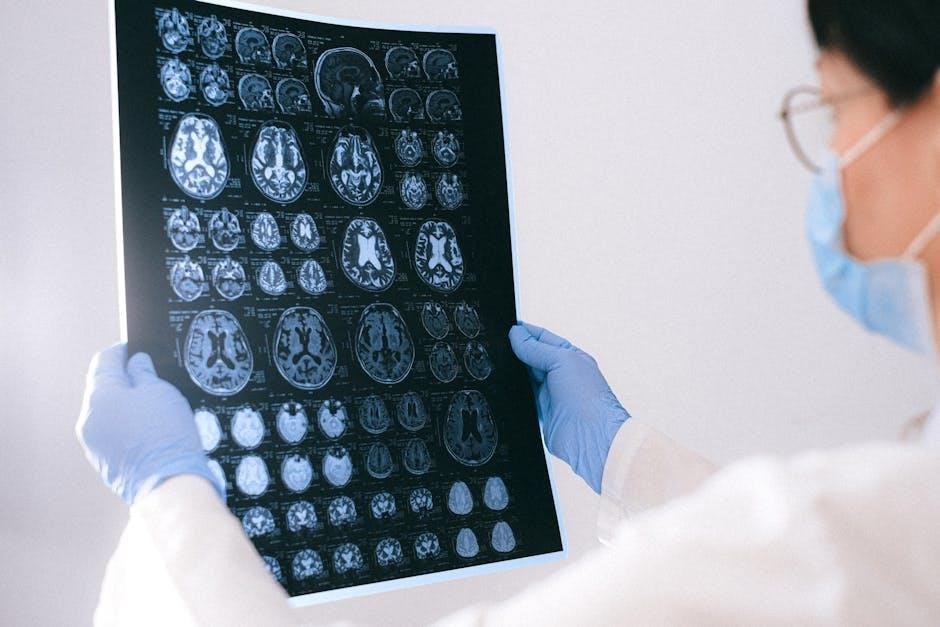
It skillfully integrates neuroanatomy, neurophysiology, and behavioral neuroscience, providing a holistic understanding of brain function. The approach is contemporary, reflecting the latest advancements in the field, and utilizes excellent illustrations to enhance comprehension. The PDF format facilitates convenient access to these visual aids and detailed explanations.
Furthermore, the book doesn’t merely present facts; it encourages critical thinking and a deeper appreciation for the dynamic nature of neuroscience. This emphasis on exploration and biological foundations distinguishes it as a leading textbook in the discipline, readily available in a downloadable PDF version.
Key Features and Strengths
Neuroscience: Exploring the Brain, 4th Edition, boasts several key features that contribute to its effectiveness as a learning tool. Its most prominent strength lies in its exceptionally clear and friendly writing style, demystifying complex neurological concepts. The textbook is further enhanced by outstanding illustrations, visually representing intricate brain structures and processes, readily accessible within the PDF format.
A leading author team, comprised of Mark F. Bear, Barry W. Connors, and Michael A. Paradiso, ensures the content is both accurate and engaging. The PDF version allows for easy navigation and searchability, maximizing study efficiency. The book’s thematic focus on exploration fosters a sense of discovery, captivating students and promoting deeper understanding.
Moreover, the 4th edition incorporates the latest research findings, ensuring the material remains current and relevant. The availability of the textbook as a PDF download provides flexibility and convenience for students and educators alike, solidifying its position as a premier resource.
Target Audience and Course Level

Neuroscience: Exploring the Brain, 4th Edition, primarily targets undergraduate students enrolled in introductory neuroscience courses, or related disciplines like biology, psychology, and pre-med programs. The PDF version makes it easily accessible for diverse learning environments. Its clear explanations and visual aids cater to students with varying levels of scientific background, making complex topics approachable.
The textbook is ideally suited for one-semester or two-semester introductory courses, providing a comprehensive foundation in the core principles of neuroscience. While geared towards undergraduates, the depth and breadth of coverage also make it a valuable resource for advanced students seeking a refresher or a broader perspective.
Instructors appreciate its pedagogical features, facilitating effective teaching and learning. The PDF format allows for seamless integration into online learning platforms and easy distribution of supplemental materials, enhancing the overall educational experience.
Content Overview: Major Sections
Neuroscience: Exploring the Brain, 4th Edition, systematically covers the field, beginning with foundational elements like the nervous system and neural communication. The PDF version maintains this logical structure. Early chapters detail synaptic transmission, action potentials, and receptor dynamics, establishing a crucial understanding of neuronal function.
Subsequent sections delve into brain development, exploring neurogenesis, axonal guidance, and synaptic plasticity. Dedicated chapters then focus on specific sensory and motor systems – notably the visual system and motor control mechanisms – providing detailed analyses of neural circuitry and behavior.
Later portions address higher cognitive functions, including learning, memory, emotion, and consciousness. The textbook also incorporates discussions on neurological disorders, offering clinical relevance. The PDF format allows for easy navigation between these major sections, facilitating focused study and research.
Chapter 1: The Nervous System
Chapter 1 of Neuroscience: Exploring the Brain, 4th Edition, lays the groundwork by introducing the fundamental organization of the nervous system. The PDF version replicates this foundational approach, detailing the central and peripheral nervous systems, and their intricate interplay. It explores the diverse cell types – neurons and glial cells – emphasizing their unique structures and functions.
This chapter meticulously examines the hierarchical levels of the nervous system, from individual molecules to complex networks. It covers neuroanatomical techniques used to study brain structure, providing a crucial context for understanding subsequent chapters. The PDF allows for detailed examination of the illustrative figures showcasing these anatomical details.
Furthermore, it introduces the principles of neural signaling and information processing, setting the stage for a deeper dive into neural communication. The chapter’s clarity, even in PDF format, makes it an accessible starting point for students new to the field of neuroscience.
Chapter 2: Neural Communication
Chapter 2, within the Neuroscience: Exploring the Brain, 4th Edition PDF, delves into the intricacies of neural communication, a cornerstone of understanding brain function. It meticulously explains the action potential – the fundamental unit of neural signaling – detailing its ionic basis and propagation mechanisms. The PDF format facilitates close study of the diagrams illustrating these complex processes.

Synaptic transmission is thoroughly explored, covering neurotransmitter synthesis, release, receptor binding, and post-synaptic effects. The chapter highlights the diversity of neurotransmitters and their roles in modulating neuronal activity. Students can easily navigate the PDF to revisit key concepts and figures related to synaptic plasticity.
Moreover, it examines the influence of drugs and toxins on neural communication, providing insights into pharmacological interventions. The clarity of the explanations, preserved in the PDF version, ensures students grasp these essential principles, forming a solid foundation for advanced neuroscience topics;
Chapter 3: Brain Development
Chapter 3 of Neuroscience: Exploring the Brain, 4th Edition PDF, comprehensively covers the fascinating process of brain development, from initial neural tube formation to the refinement of neural circuits. The PDF allows for detailed examination of the stages of neurogenesis, neuronal migration, and axon guidance, crucial for understanding brain organization.
Synaptogenesis and synaptic pruning are explained with clarity, highlighting the role of experience in shaping the developing brain. The text emphasizes the critical periods during which the brain is particularly sensitive to environmental influences, a feature easily revisited within the digital PDF format.
Furthermore, the chapter explores the development of specific brain regions and their associated functions. The PDF’s interactive features, if available, may include animations illustrating these complex developmental processes. This chapter provides a foundational understanding of how the brain acquires its structure and function, essential for comprehending neurological disorders.
Chapter 4: Visual System
Chapter 4, dedicated to the visual system within the Neuroscience: Exploring the Brain, 4th Edition PDF, meticulously details the journey of visual information from the retina to the cortex. The PDF format facilitates close study of the retinal circuitry, including photoreceptors, bipolar cells, and ganglion cells, and their roles in converting light into neural signals.
The chapter thoroughly explains the pathways of the optic nerve, the lateral geniculate nucleus (LGN), and the primary visual cortex (V1), emphasizing how visual information is processed at each stage. Detailed illustrations, readily zoomable within the PDF, showcase the organization of the visual field and the receptive fields of neurons.
Moreover, it explores higher-level visual processing, including color vision, depth perception, and motion detection. Accessing this chapter in PDF form allows students to easily annotate diagrams and revisit complex concepts, enhancing comprehension of this intricate sensory system.
Chapter 5: Motor Systems
Chapter 5 of Neuroscience: Exploring the Brain, 4th Edition PDF comprehensively examines the neural mechanisms underlying movement. The PDF provides detailed coverage of the hierarchical organization of motor control, starting with the motor cortex and descending pathways like the corticospinal and corticobulbar tracts.
Students can utilize the PDF’s search function to quickly locate information on specific motor areas, such as the premotor cortex, supplementary motor area, and cerebellum, and their distinct contributions to movement planning and execution. The text elucidates the role of the basal ganglia in selecting and initiating movements, alongside the spinal cord circuits responsible for coordinating muscle activity.
Furthermore, the PDF format allows for easy access to detailed diagrams illustrating motor pathways and synaptic connections. This chapter effectively bridges the gap between neural activity and observable behavior, offering a robust understanding of motor systems.

Digital Resources and Online Access
The Neuroscience: Exploring the Brain, 4th Edition PDF often includes access to a wealth of digital resources designed to enhance the learning experience. These typically encompass an online platform featuring interactive quizzes, practice questions, and detailed animations illustrating complex neural processes.
Students purchasing a new copy of the textbook frequently receive a code granting access to these supplementary materials. The PDF itself may contain links directing users to the publisher’s website for registration and resource access. These online components are invaluable for self-assessment and reinforcing key concepts.

Additionally, instructors utilizing the textbook may have access to a dedicated instructor resource area, providing lecture slides, image banks, and assessment tools. The availability and specific content of these digital resources can vary, so checking the publisher’s website is recommended.

PDF Availability and Download Options
Finding a legitimate PDF version of Neuroscience: Exploring the Brain, 4th Edition can be challenging. Officially, the PDF is typically bundled with the purchase of a new textbook, granting access through a publisher-provided code and online platform. However, various online repositories and academic resource sites may host copies, though their legality is often questionable.
Users searching for free downloads should exercise extreme caution, as these sources may contain malware or pirated content. Utilizing a download manager like JDownloader is recommended for larger files to prevent interruptions. Always ensure you have a compatible PDF reader installed, such as Annas Archive, to open and view the document correctly.
It’s crucial to prioritize legal and ethical access to educational materials. Purchasing the textbook or accessing it through a university library are the most reliable and ethical options, ensuring you receive a legitimate and updated version.
Legality and Ethical Considerations of PDF Downloads
Downloading a PDF of Neuroscience: Exploring the Brain, 4th Edition from unauthorized sources raises significant legal and ethical concerns. Copyright laws protect the authors and publisher, granting them exclusive rights to distribute their work. Obtaining a copy through unofficial channels constitutes copyright infringement, potentially leading to legal repercussions for the downloader.
Beyond the legal aspects, ethical considerations are paramount. Authors and publishers rely on textbook sales to fund future research and educational material development. Illegally downloading the PDF undermines their efforts and devalues their intellectual property. Supporting legitimate avenues for access, such as purchasing the textbook or utilizing library resources, demonstrates respect for the creators’ work.
Furthermore, illegally obtained PDFs may be of inferior quality or contain malware, posing risks to your device and data. Prioritizing ethical and legal access ensures you receive a reliable, safe, and high-quality learning resource.
Comparison to Other Neuroscience Textbooks
Compared to other prominent neuroscience textbooks, Neuroscience: Exploring the Brain, 4th Edition distinguishes itself through its exceptionally clear and accessible writing style. Many competing texts adopt a more dense and technical approach, potentially hindering comprehension for students new to the field. Bear, Connors, and Paradiso’s work prioritizes pedagogical clarity, employing excellent illustrations and a compelling thematic focus on exploration.
While texts like Kandel’s Principles of Neural Science offer exhaustive detail, they often lack the student-friendly presentation found in Exploring the Brain. Similarly, other options may not integrate behavioral aspects as seamlessly with the underlying biological mechanisms. This textbook strikes a balance between comprehensive coverage and approachable explanation.
The 4th edition’s updated content and digital resources further enhance its competitive edge, providing a modern and engaging learning experience. It consistently receives praise for its ability to make complex concepts understandable.
Updates and Changes in the 4th Edition
The fourth edition of Neuroscience: Exploring the Brain incorporates significant updates reflecting the rapid advancements within the field. New research on glial cell function, the microbiome’s influence on brain health, and cutting-edge neuroimaging techniques are integrated throughout the text. These additions ensure students are exposed to the most current understanding of neuroscience.
Furthermore, the authors have refined existing chapters to enhance clarity and address feedback from instructors and students; Expanded coverage of neurodevelopmental disorders and the neural basis of complex behaviors provides a more nuanced perspective. The inclusion of new clinical case studies illustrates the practical relevance of neuroscience.
Digital resources accompanying the PDF version have also been substantially improved, offering interactive learning tools and assessment materials. These updates solidify the 4th edition as a leading resource for students and educators alike.